Discover Hidden Gems in Europe: Beyond the Tourist Trails
1. Introduction
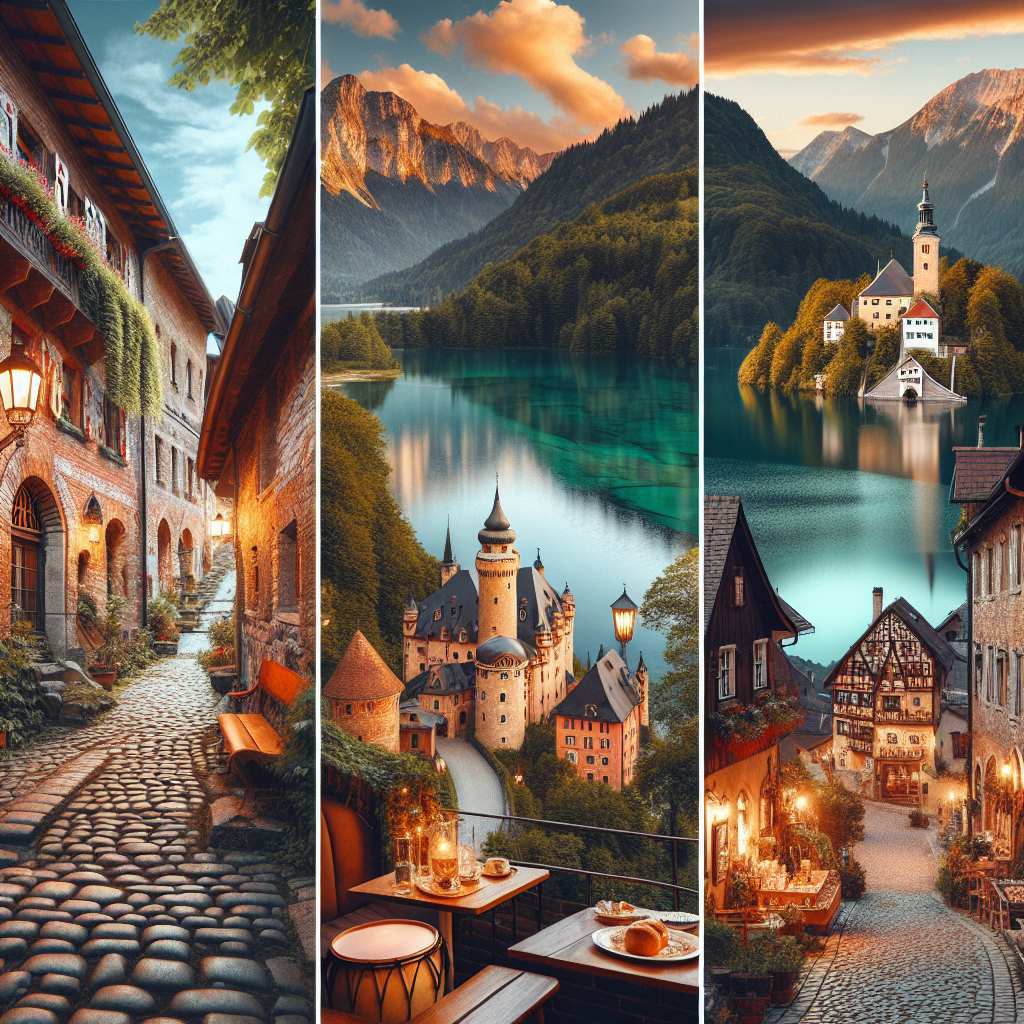
When planning a trip to Europe, mainstream attractions like the Eiffel Tower or the Colosseum often steal the spotlight. However, beyond these well-trodden paths lie hidden gems waiting to be discovered. This blog will take you through some enchanting locations often overlooked by travelers, offering you a unique European experience away from the bustling crowds.
2. Plovdiv, Bulgaria
Plovdiv, one of the oldest continuously inhabited cities in Europe, boasts a rich history that dates back over 6,000 years. With its Roman amphitheater dating to 90 AD and colorful houses of the Bulgarian National Revival, Plovdiv is a feast for the senses. The city is the cultural capital of Bulgaria and offers intriguing art galleries and vibrant street performances. In 2019, Plovdiv was even co-hosting the European Capital of Culture, highlighting its relevance on the continental stage.
3. Gjirokastër, Albania
Nestled in the mountains, Gjirokastër is a UNESCO World Heritage site renowned for its well-preserved Ottoman architecture. The city’s stone houses, built on the slopes, appear to merge seamlessly with the landscape. Notably, the Gjirokastër Castle overlooks the valley and provides panoramic views. Only a fraction of the 30 million annual visitors to Europe end up in Albania, making Gjirokastër a peaceful alternative for those wanting to explore ancient culinary delights and stunning landscapes.
4. Civita di Bagnoregio, Italy
Often referred to as the “dying town,” Civita di Bagnoregio is a stunning hilltop village in Italy that is slowly eroding away. Its charm lies in its medieval architecture and picturesque views. Accessible mainly by a footbridge, it’s an intimate escape from Italy’s more crowded tourist spots. With a population of just 12 residents, visitors should aim to experience local restaurants featuring traditional Italian cuisine in a serene atmosphere. As of 2023, Civita sees under 10,000 visitors annually, creating an exclusive travel experience.
5. Visby, Sweden
Visby, located on the island of Gotland, is a medieval town characterized by ancient city walls and more than 200 archaeological remains, including churches and houses from the Hanseatic League. Recognized as a UNESCO World Heritage site, Visby offers picturesque streets and a fascinating Viking history. The annual Medieval Week, held every August, attracts thousands, yet outside this period, visitors can stroll through the cobblestone lanes almost in solitude. Approximately 1.5 million tourists visit Gotland each year, with many bypassing the charm of Visby during their exploration.
6. Terschelling, Netherlands
This lesser-known island in the Wadden Sea is a paradise for nature lovers. Terschelling is famous for its expansive beaches, diverse wildlife, and the Oerol Festival, celebrating art in nature every summer. The island is also home to diverse ecosystems that host an array of flora and fauna and is an ideal location for cycling or hiking enthusiasts. While it draws a modest crowd, only about 300,000 visitors come to Terschelling annually, making it a peaceful retreat to explore nature.
7. Lofoten Islands, Norway
While Norway is known for its breathtaking fjords, the Lofoten Islands offer a unique blend of dramatic landscapes and charming fishing villages. With jagged peaks, secluded beaches, and a rich Viking history, the islands are a year-round destination, especially for outdoor sports enthusiasts. With a population of around 24,000, the islands experience a high influx of tourists during the summer months, yet still retain their charm due to their remote location. The Lofoten Islands average around 1 million visitors each year, significantly less than many major European destinations.
8. Ronda, Spain
Perched atop a 120-meter cliff, Ronda is one of Spain’s most picturesque towns, featuring the stunning Puente Nuevo bridge and an ancient bullring. It’s often overshadowed by more famous cities like Seville and Granada. Ronda is a remarkable destination for history enthusiasts, nature lovers, and culinary adventurers. According to tourism statistics, Ronda receives less than 1 million visitors each year, providing an opportunity for quieter exploration compared to its larger counterparts.
9. Piran, Slovenia
With its Venetian-style architecture lining the Adriatic coast, Piran enhances the charm of Slovenia’s coastline. The narrow streets are filled with quaint shops, local eateries, and stunning views of both land and sea. Piran is also home to Tartini Square, dedicated to the famous composer Giuseppe Tartini. Despite Slovenia receiving around 6 million visitors annually, Piran remains less discovered compared to major cities like Ljubljana, making it an idyllic escape for those seeking authenticity and local culture.
10. Conclusion
Traveling through Europe doesn’t have to mean sifting through large crowds at conventional tourist attractions. Hidden gems like Plovdiv, Gjirokastër, and Ronda offer a unique perspective on the continent’s rich history, stunning landscapes, and diverse cultures. Whether you’re seeking adventure, solitude, or an authentic local experience, the paths less traveled hold treasures that can enrich your European journey. Venture beyond the tourist trails, and you’ll be rewarded with memories and stories that resonate long after your journey is over.

Post Comment