“The Future of AI: What to Expect in 2025” – Explore
1. Introduction to AI in 2025
As we project into the future of artificial intelligence (AI) in 2025, it is essential to recognize how rapidly this technology is evolving. Trends indicate that AI is poised to become an integral element across various sectors, enhancing productivity, efficiency, and innovation. With a projected market size of USD 190.61 billion by 2025, it’s clear that AI’s influence will only increase.
2. Ubiquitous AI Integration
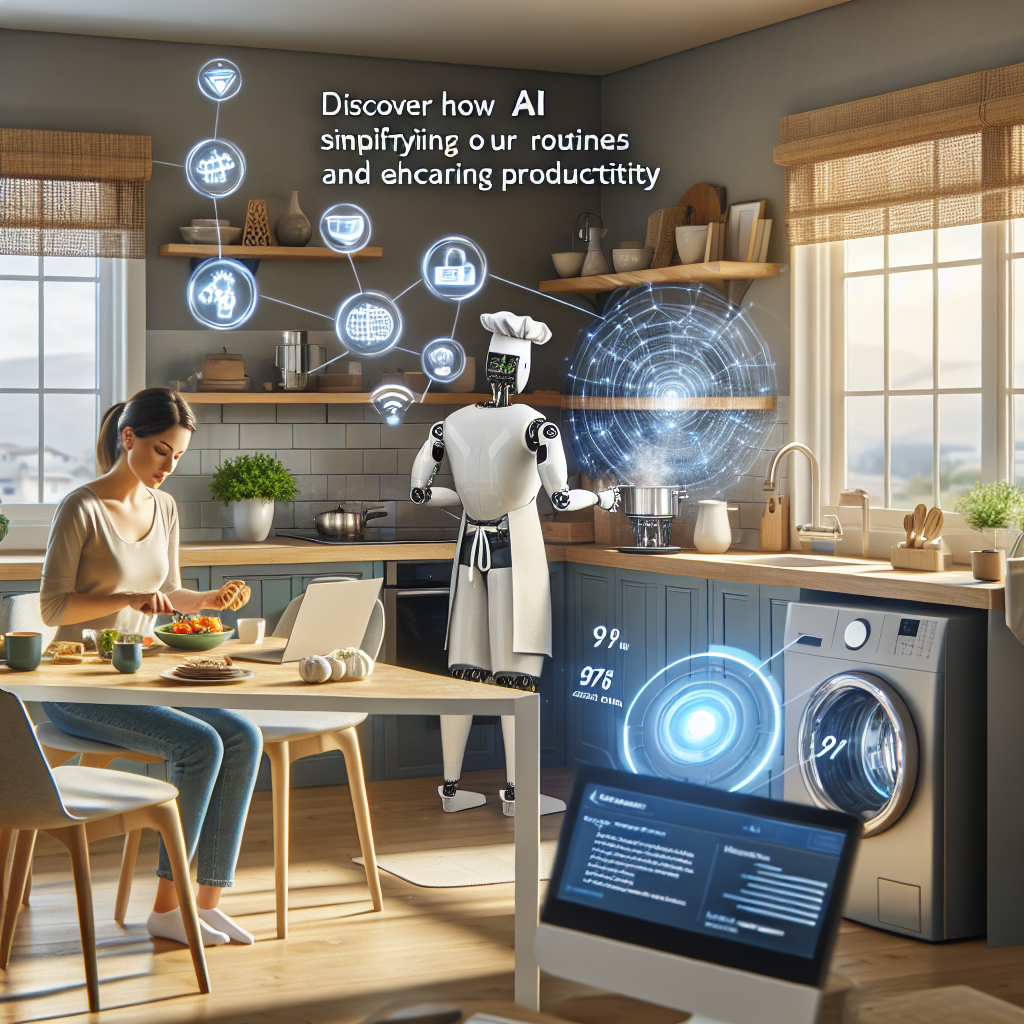
By 2025, we can expect AI systems to be embedded in our daily lives, from smart homes to autonomous vehicles. For instance, 85% of customer interactions may be managed by AI, transforming the landscape of customer service and engagement. Intelligent virtual assistants will scale further, enabling users to execute complex tasks through voice commands and natural language processing capabilities.
3. Advancements in Natural Language Processing
Natural language processing (NLP) is on the brink of a breakthrough that will redefine human-AI interaction. By 2025, advancements in deep learning will enable AI systems to understand context, sentiment, and nuance in communication at levels comparable to humans. This will lead to a more seamless user experience across platforms, with AI capable of providing real-time translation services and personalized content recommendations, significantly improving global connectivity.
4. AI Ethics and Regulation
As AI technology matures, ethical considerations will become even more critical. By 2025, expect to see greater regulations surrounding AI usage, driven by concerns over bias, privacy, and accountability. A survey from McKinsey suggests that nearly 60% of organizations will prioritize AI governance to ensure compliance with these evolving norms. The focus will likely be on developing transparent systems that foster trust between users and AI systems.
5. AI in Healthcare
One of the most exciting areas of AI development is in healthcare. By 2025, AI is anticipated to expedite drug discovery processes by up to 80% and help in diagnosing diseases more accurately and at earlier stages. For example, AI algorithms that analyze medical images can achieve diagnostic accuracy rates exceeding 95%. Moreover, AI-powered wearable devices will enable real-time health monitoring, ultimately leading to personalized healthcare solutions.
6. The Rise of AI in the Workforce
While AI will contribute to job displacements, it will also create new opportunities. According to the World Economic Forum, by 2025, AI could displace about 85 million jobs globally but also create around 97 million new roles. These new jobs will require a blend of technical skills and human-centric capabilities, prompting a significant shift in workforce training and education.
7. AI in Automation and Robotics
Automation will see remarkable advancements through AI by 2025, especially in industries such as manufacturing and logistics. Reports suggest that autonomous robots could increase productivity by 20-30% in warehouses. Moreover, businesses could save up to 40% in operational costs by integrating advanced robotics in their processes. This advancement will allow human workers to focus on higher-value tasks requiring emotional intelligence and critical thinking.
8. The Impact of AI on Climate Change
AI’s role in addressing climate change will be pivotal in 2025. By leveraging predictive analytics, AI can analyze vast datasets to develop sustainable solutions. According to research, AI applications could reduce global greenhouse gas emissions by up to 4 billion tons each year by 2030. Expect AI to drive innovations in energy management, optimizing supply chains, and enhancing renewable energy systems to create a more sustainable world.
9. AI and Cybersecurity
As AI technology expands, so does the necessity for robust cybersecurity measures. By 2025, AI-powered cybersecurity systems will be capable of identifying and mitigating threats in real time. Statista projects that the cybersecurity market might reach USD 345.4 billion by 2026, reflecting the escalating demand for security solutions against sophisticated cyber threats. AI can analyze patterns of malicious behavior to proactively neutralize potential attacks.
10. The Future of AI Startups
Innovation won’t be limited to large corporations; the AI startup ecosystem will flourish by 2025. The global AI startup funding is expected to exceed USD 100 billion annually, with countless ventures focusing on niche applications of AI technology. This wave of creativity will accelerate advancements tailored to specific industry needs, fostering a vibrant and competitive marketplace.
11. Conclusion: The Road Ahead
Looking ahead to 2025, the future of AI embodies immense potential. While there are challenges to navigate, such as ethical concerns and workforce displacement, the benefits and opportunities are significant. By integrating AI across different domains, society can harness its full potential to create a safer, more efficient, and productive world. The key lies in fostering collaboration between technology, policymakers, and the community to shape an equitable and prosperous future with AI.


Post Comment