Boost Your Immune System Naturally
1. Introduction to Immunity
The immune system is your body’s defense against infectious organisms and other invaders. It consists of cells, tissues, and organs that work together to protect you from disease. A strong immune system helps to fend off illnesses such as common colds, flu, and other more serious infections. According to the Centers for Disease Control and Prevention (CDC), individuals with a weakened immune system are more susceptible to infections, highlighting the importance of maintaining robust immunity.
2. Importance of Nutrition
What you eat plays a crucial role in the health of your immune system. Nutrients like vitamins C and D, zinc, and antioxidants are vital for developing and maintaining immune responses. A well-balanced diet comprising fruits, vegetables, whole grains, lean proteins, and healthy fats can significantly improve your immunity.
Research indicates that individuals who consume a variety of fruits and vegetables have a lower risk of chronic diseases and stronger immune responses. For example, foods rich in vitamin C, such as oranges and bell peppers, can boost your immune system. A diet high in fiber (around 25-30 grams per day) can also improve gut health, where 70% of immune cells are found, thus contributing to a more robust immune response.
3. Hydration is Key
Staying hydrated is essential for keeping your immune system functioning optimally. Water plays a critical role in supporting the body’s systems, including the immune system. According to the National Academies of Sciences, Engineering, and Medicine, adequate hydration recommendations are approximately 3.7 liters (or about 15.5 cups) for men and 2.7 liters (about 11.5 cups) for women daily.
Dehydration can lead to a weakened immune response. Therefore, ensure that you drink enough fluids throughout the day. Herbal teas, infused water, and soups are great ways to increase your fluid intake.
4. Regular Exercise
Engaging in regular physical activity is not only important for overall health, but it also boosts the immune system. According to a study published in the Journal of Sport and Health Science, moderate exercise can help flush bacteria out of the lungs and airways, effectively reducing the chances of getting sick.
Aim for at least 150 minutes of moderate aerobic activity or 75 minutes of vigorous activity each week. Incorporating strength training exercises two or more days per week has also been shown to have immune-boosting benefits.
5. Adequate Sleep
Sleep is another critical component in supporting your immune system. The National Sleep Foundation recommends that adults get between 7 to 9 hours of sleep each night for optimal health. Lack of sleep can lead to a weakening of the immune response, making you more susceptible to infections and illnesses.
According to a study published in the journal Sleep, people who slept less than six hours a night were four times more likely to catch a cold than those who slept at least seven hours. Prioritizing sleep can lead to improved immunity and overall health.
6. Stress Management
Chronic stress can negatively impact the immune system by increasing levels of cortisol, a hormone that can suppress the immune response. Techniques such as mindfulness, meditation, yoga, and deep-breathing exercises can help mitigate stress levels.
A survey conducted by the American Psychological Association found that nearly 77% of individuals experience stress that affects their physical health. Incorporating stress-reducing practices into your daily routine can lead to significant improvements in immune health.
7. Probiotics and Gut Health
Your gut plays a crucial role in your overall health and immunity. Probiotics, often referred to as “good” bacteria, can enhance gut health and contribute to a well-functioning immune system. Research indicates that probiotic supplementation can reduce the duration and severity of respiratory infections.
Good sources of probiotics include yogurt, kefir, sauerkraut, kimchi, and other fermented foods. Consuming these foods regularly can help maintain the balance of good bacteria in your gut, thus enhancing your immune defense.
8. Natural Supplements
While it’s best to get your nutrients from food, some supplements can help support immune function. Vitamin D, for instance, is crucial for immune response, and studies have shown that vitamin D deficiency can increase the risk of respiratory infections.
Zinc and elderberry are other natural supplements known for their immune-boosting properties. A systematic review published in the journal Nutrients found that zinc supplementation can significantly reduce the duration and severity of the common cold.
9. Final Thoughts
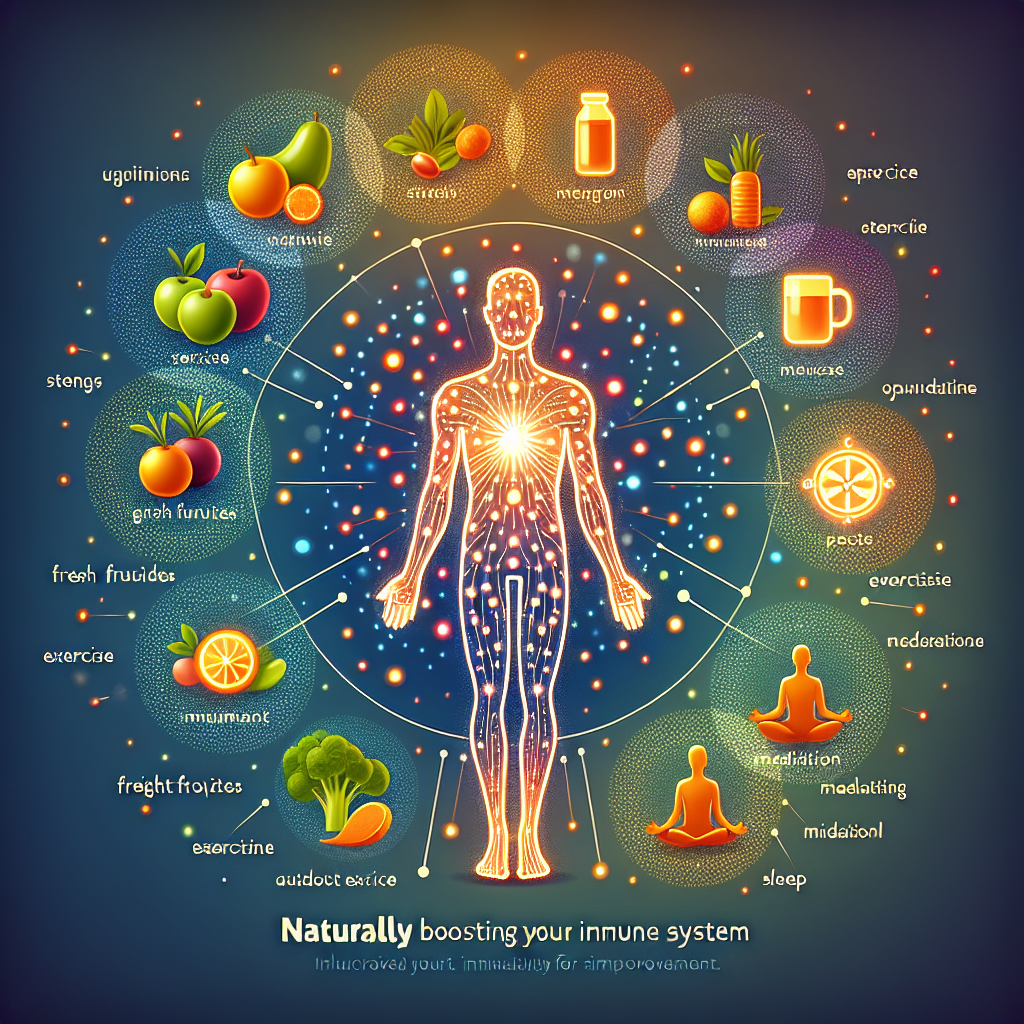
Boosting your immune system naturally doesn’t require drastic lifestyle changes. Simple adjustments in your diet, regular exercise, proper hydration, sufficient sleep, and effective stress management can greatly enhance your body’s defenses. Always consult with healthcare professionals before adding new supplements or making significant changes to your routine. By integrating these strategies into your daily life, you can support your immune system and improve your overall health.



Post Comment