The Rise of AI: Transforming Our Daily Lives
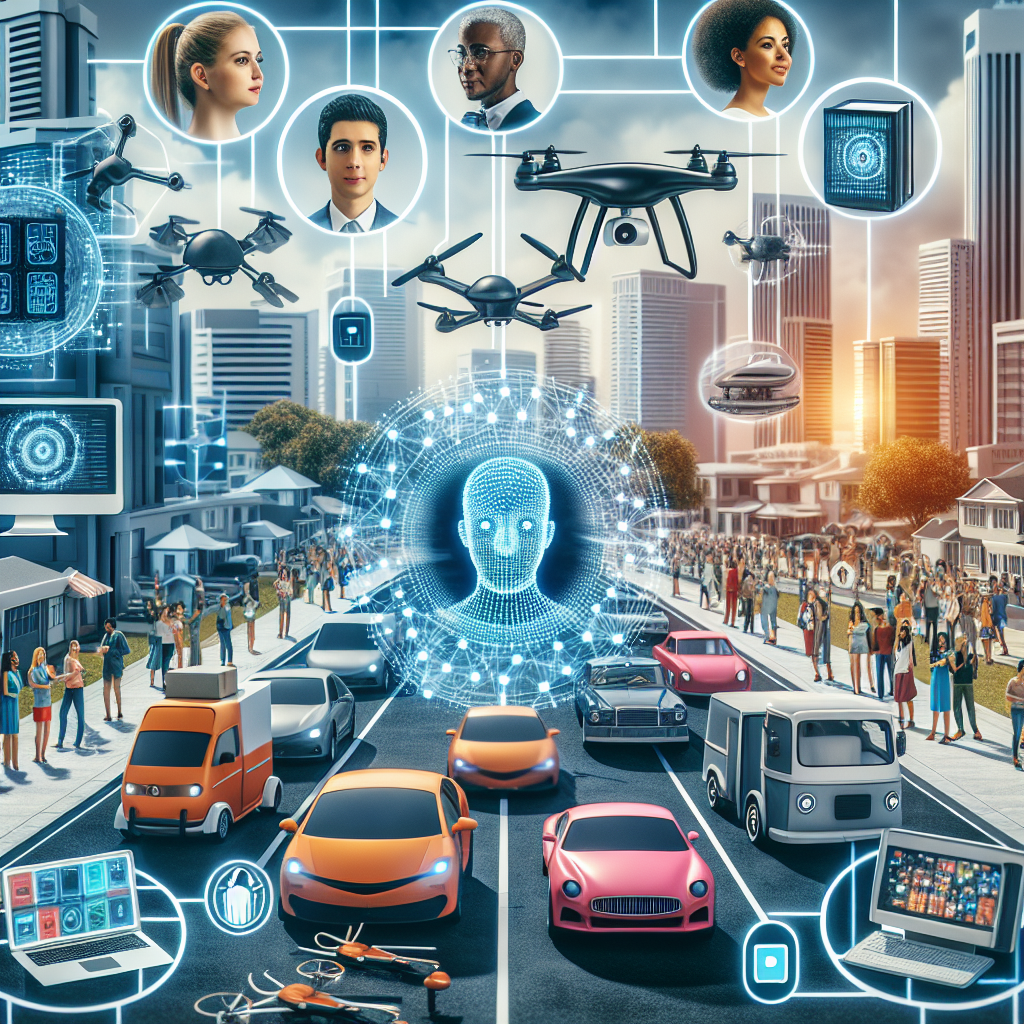
1. Introduction: The AI Revolution
Artificial Intelligence (AI) has transitioned from a fictional concept to a transformative force over the last few years. The global AI market was valued at approximately $62.35 billion in 2020 and is projected to reach around $733.7 billion by 2027, growing at a compound annual growth rate (CAGR) of 42.2% according to Fortune Business Insights. This rapid growth reflects the integration of AI into various aspects of our everyday lives, enhancing both personal and professional experiences.
2. AI in Daily Life: A Subtle Companion
AI is often present in our daily routines, sometimes in ways we do not even recognize. From virtual assistants like Siri and Alexa to recommendation algorithms used by Netflix and Spotify, AI helps us manage our schedules and curate our entertainment. A study conducted by Pew Research Center found that 46% of Americans reported that they relied on AI tools in their everyday lives. The pervasive reach of AI is redefining convenience and personalization.
3. Transforming Work: The Smart Office
In the workplace, AI is revolutionizing processes, making them more efficient and effective. According to McKinsey, automation and AI could increase productivity by up to 1.4% annually. Tools like Slack integrate AI-driven features that streamline communication and enhance workflow. In data analysis, AI tools such as Tableau and Power BI allow employees to gain insights from large datasets quickly, promoting data-driven decision-making.
4. AI in Healthcare: Saving Lives
AI’s impact in healthcare is profound, with technologies enabling early diagnosis and personalized medicine. For example, AI can analyze medical imaging faster than radiologists, with algorithms demonstrating accuracy rates of over 90%. Furthermore, AI-driven predictive analytics help healthcare providers manage patient data effectively, potentially reducing costs by 15% and improving patient outcomes significantly. The World Health Organization has reported that AI applications in healthcare can lead to an estimated $150 billion in savings and improved health outcomes annually by 2026.
5. Smart Homes: The Era of Convenience
The concept of smart homes is becoming mainstream as AI-powered devices enhance our quality of life. From smart thermostats that learn our preferences and optimize energy usage to security systems that alert homeowners to potential threats, AI is molding our living environments. Statista estimates that by 2025, the number of smart homes globally will reach 478 million, emphasizing the demand for these intelligent systems that improve our comfort and safety.
6. Education: Personalized Learning Experiences
In the education sector, AI is tailoring learning experiences to individual students’ needs. Adaptive learning platforms use AI algorithms to adjust content delivery based on the learner’s progress, making education more efficient. Research conducted by the Bill & Melinda Gates Foundation indicates that AI-enhanced education can lead to a 20-30% improvement in student learning outcomes. This customization allows educators to focus on supporting students who require additional help, ultimately closing achievement gaps.
7. AI in Finance: Redefining Transactions
The finance industry greatly benefits from AI technologies that enhance security and operational efficiency. Algorithms can analyze vast amounts of data to detect fraudulent activities with over 98% accuracy, making transactions safer. Additionally, robo-advisors provide tailored investment advice at a lower cost, allowing individuals to manage their portfolios effectively. By 2025, it is estimated that AI will contribute to $1 trillion in economic value in the financial sector through improved risk assessment and task automation.
8. Transportation: Autonomous Innovations
AI’s influence extends to transportation, where developments in autonomous vehicles are reshaping how we travel. Companies like Waymo and Tesla are pioneering self-driving technology, which could reduce road accidents by up to 90%, according to the National Highway Traffic Safety Administration. The adoption of AI in logistics and delivery systems is estimated to save the industry around $100 billion annually by minimizing inefficiencies and optimizing routes.
9. The Ethical Considerations of AI
Despite the benefits of AI, its rise brings ethical dilemmas. As AI systems gain more authority in decision-making, concerns about privacy, employment displacement, and algorithmic bias arise. For instance, a survey conducted by the AI Ethics Lab revealed that 84% of Americans believe AI should have regulations to ensure fairness and transparency. Developing ethical AI practices will be crucial to fostering public trust and ensuring that technology enhances rather than detracts from societal well-being.
10. Conclusion: Embracing the Future
AI is undeniably transforming various sectors by enhancing efficiency and redefining our everyday experiences. As it continues to evolve, the integration of AI into our lives will become even more pronounced. It’s vital for individuals, organizations, and policymakers to work collaboratively in harnessing AI’s potential while addressing its challenges. The future holds tremendous promise, and with thoughtful implementation, AI can offer groundbreaking advancements that improve lives across the globe.
In summary, as we witness this technological evolution, we must remain mindful of its implications. The AI revolution is just beginning, and those who adapt and embrace these changes will undoubtedly shape the narrative of our future.


Post Comment