Mindfulness Techniques for Stress Relief
1. Understanding Mindfulness and Its Importance
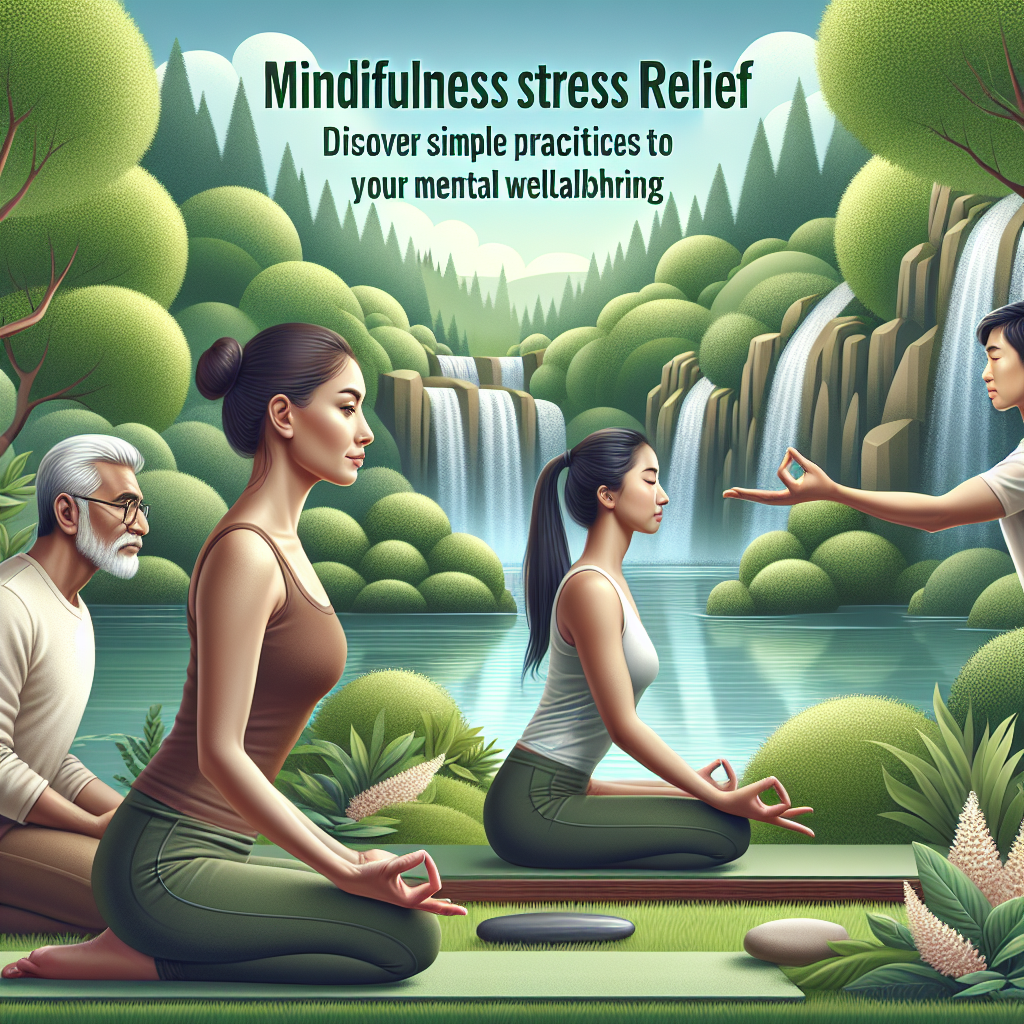
Mindfulness is the practice of being fully present in the moment, aware of your thoughts and feelings without judgment. Research shows that mindfulness can significantly reduce stress and improve overall mental health. According to a study published in the journal Health Psychology, mindfulness-based interventions resulted in a 29% reduction in stress levels among participants. By adopting mindfulness techniques, individuals can enhance their emotional resilience and cope better with the pressures of modern life.
2. Mindful Breathing: A Simple Yet Powerful Technique
One of the easiest ways to practice mindfulness is through mindful breathing. This technique involves focusing your attention on your breath, observing the inhalation and exhalation without trying to change it. For a practical exercise, find a quiet space, close your eyes, and take a deep breath in for a count of four, hold for a count of four, and exhale for a count of six. Repeat this process for five to ten minutes. Studies show that just a few minutes of mindful breathing can lower cortisol levels, the hormone associated with stress, by up to 32%.
3. Body Scan for Relaxation
The body scan is another effective mindfulness technique aimed at promoting physical and mental relaxation. To perform a body scan, lie down comfortably, close your eyes, and take a few deep breaths. Gradually focus your attention on each part of your body, starting from your toes and moving up to your head. Notice any sensations or tensions without judgment. Research indicates that a daily body scan practice can lead to a 50% reduction in anxiety symptoms.
4. Mindful Walking: Bringing Awareness to Movement
Mindful walking combines physical activity with mindfulness practice. This technique encourages you to be aware of each step you take, focusing on the sensations in your feet and legs, the rhythm of your breath, and the environment around you. A 2017 study revealed that participants who engaged in mindful walking showed a 20% reduction in anxiety levels compared to those who walked without mindfulness. Aim to walk for at least 10 to 15 minutes daily while maintaining this awareness.
5. Journaling for Clarity and Reflection
Journaling can be a powerful mindfulness technique for stress relief. Writing down your thoughts and feelings helps clarify and process emotions, reducing the intensity of stress. The practice of expressive writing has been shown to decrease mental distress and increase feelings of wellbeing; a study indicated that participants who journaled for just 15 minutes a day experienced a 40% boost in mood. Set aside time each day to reflect on your thoughts, describe your emotions, and note the positive aspects of your day.
6. Mindful Eating: Cultivating Awareness at Mealtime
Mindful eating involves paying full attention to the experience of eating and drinking, focusing on the taste, texture, and aroma of your food. To practice mindful eating, try to eliminate distractions during meals; this means turning off the TV and putting away your phone. Take small bites and chew slowly, appreciating each mouthful. Research highlights that women who practiced mindful eating reported a decrease in binge-eating episodes by 32%. Additionally, mindful eating can promote healthier food choices and better digestion.
7. Gratitude Practice: Shifting Focus
Gratitude is an essential aspect of mindfulness that shifts your focus from stressors to positive aspects of life. At the end of each day, write down three things you are grateful for. A study published by the Journal of Personality and Social Psychology found that participants who practiced gratitude reported a 25% improvement in overall well-being compared to those who did not. Incorporating gratitude into your mindfulness practice can enhance your overall mental health and provide a buffer against stress.
8. The Role of Guided Meditation
Guided meditation is a useful tool for those new to mindfulness practice. Various apps and online resources offer guided sessions that lead you through the process of meditating. Research indicates that engaging in guided meditation for even short periods can yield improvements in stress levels and emotional regulation. Consider using platforms like Headspace or Calm, which provide sessions as short as five minutes tailored to different needs and experiences.
9. Creating a Mindfulness Routine
To effectively incorporate mindfulness techniques into your daily routine, it is essential to create a consistent practice. Start by dedicating a few minutes each day to a specific technique, gradually increasing the duration as you become more comfortable. Research from the American Psychological Association shows that consistency in practice is key, as individuals who engaged in mindfulness exercises regularly experienced a 40% increase in emotional regulation skills.
10. Conclusion: Embracing Mindfulness for Lasting Benefits
Incorporating mindfulness techniques for stress relief is not merely beneficial but transformative. By adopting practices such as mindful breathing, body scanning, and gratitude journaling, individuals can significantly reduce stress, improve overall mental health, and cultivate a greater sense of well-being. Consistency is essential, so find the techniques that resonate most with you and make them a part of your daily routine. As you embrace mindfulness, you may find it leads to lasting positive changes in both your mental and emotional landscapes.


Post Comment