Explore the Hidden Gems of India
1. Introduction to Hidden Gems
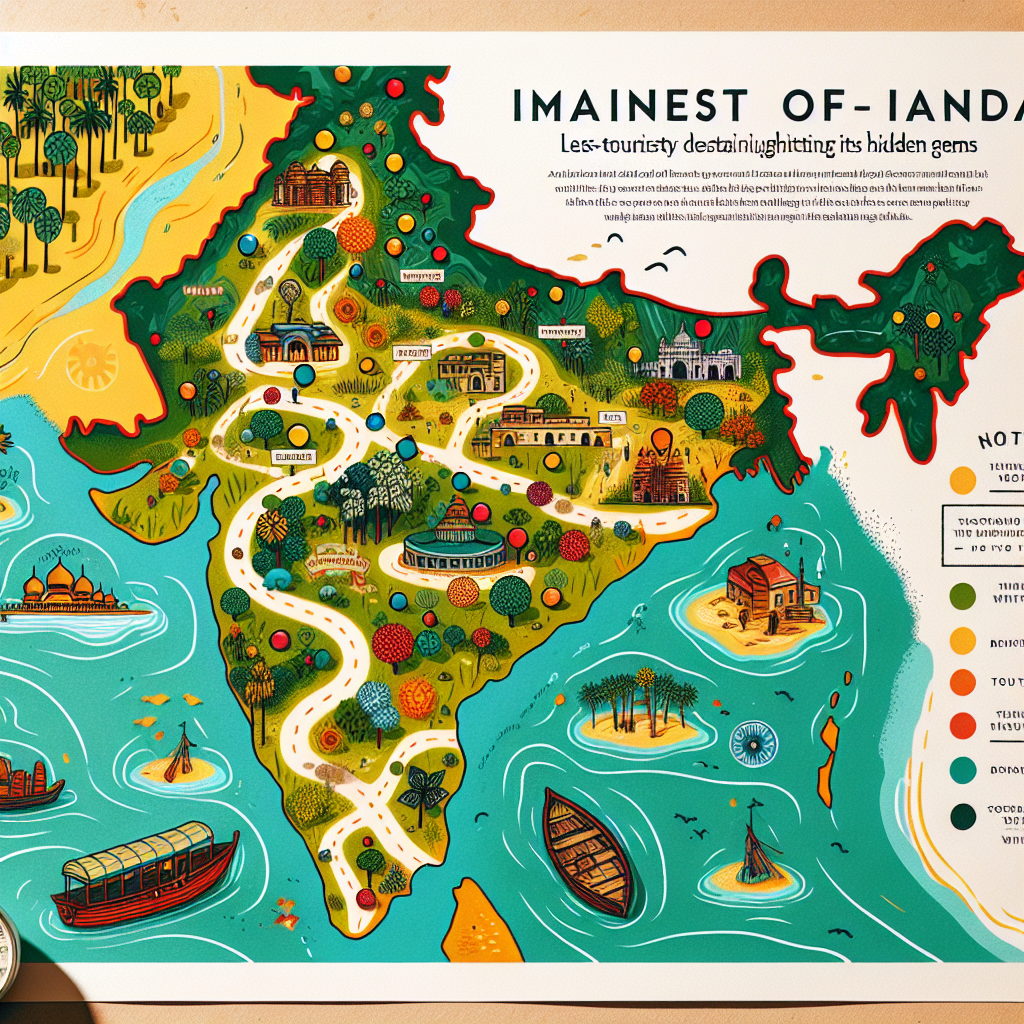
India, known for its rich cultural heritage and diverse landscapes, is often dominated by popular tourist destinations like the Taj Mahal and Goa. However, this vast country is dotted with lesser-known, breathtaking locations that offer unique experiences and a glimpse into the true essence of Indian culture. In this blog, we will explore some of these hidden gems that are worth visiting.
2. Ziro Valley, Arunachal Pradesh
Nestled in the northeastern part of India, Ziro Valley is a serene destination that showcases the natural beauty of the Himalayas. Known for its lush green rice fields and picturesque landscapes, Ziro Valley is home to the Apatani tribe, whose rich culture and traditions are a major draw for visitors. The Ziro Music Festival, held annually in September, attracts music lovers from all over the country, featuring various genres and local folk music. The valley’s average annual temperature hovers around 20 degrees Celsius, making it an ideal escape throughout the year.
3. Gokarna, Karnataka
Often overshadowed by its more famous neighbor, Goa, Gokarna is a coastal town that offers pristine beaches and a laid-back vibe. Known for its temple architecture and serene environment, Gokarna is a pilgrimage site for many Hindus. The five beaches—Kudle, Om, Half Moon, Paradise, and Gokarna Beach—present a range of experiences from spiritual retreats to adventure sports like paragliding and water sports. The town is perfect for travelers seeking tranquility and natural beauty, with an average visitor turnout of around 800,000 annually.
4. Tawang, Arunachal Pradesh
Tawang is one of the highest inhabited regions in the world, located at an altitude of approximately 10,000 feet. Known for its stunning monasteries and breathtaking landscapes, Tawang is often a top pick for those looking to explore Buddhist culture. The Tawang Monastery, built in the 17th century, is the largest monastery in India and the second largest in the world. The region is also home to several trekking routes and stunning lakes, making it a haven for adventure enthusiasts. The area sees an annual visit of around 500,000 tourists, despite its remote location.
5. Mandu, Madhya Pradesh
Mandu, located in Madhya Pradesh, is a historical site filled with exquisite architecture and captivating stories of love and valor. The town is famous for its beautiful ruins, including the Jahaz Mahal and Hindola Mahal. These structures date back to the rule of the Malwa sultanate and reflect Indo-Islamic architectural styles. Mandu is less crowded compared to major historical sites, with around 300,000 visitors each year. Among its many attractions, during the monsoon season, visitors can enjoy the mesmerizing sight of the landscape transforming into a lush green paradise.
6. Majuli, Assam
Majuli, the world’s largest river island and a UNESCO World Heritage site, offers a unique cultural experience. Situated on the Brahmaputra River, this island is home to numerous Vaishnavite monasteries and hosts vibrant festivals that celebrate Assamese culture. Visitors can expect to witness traditional dance forms, handloom weaving, and craftsmanship unique to the region. Majuli is an eco-tourism hotspot, attracting around 150,000 tourists annually, many of whom come to experience its natural beauty and diverse flora and fauna.
7. Chikmagalur, Karnataka
Known for its lush coffee plantations and rolling hills, Chikmagalur is a picturesque hill station that promises relaxation and stunning views. Often referred to as the coffee capital of India, the region produces some of the finest arabica coffee beans in the world. Visitors can explore the many estates and indulge in coffee tasting tours. Chikmagalur also offers trekking opportunities in the Western Ghats, with peaks like Mullayanagiri being a popular choice. With an influx of approximately 400,000 visitors each year, Chikmagalur is perfect for nature lovers and coffee enthusiasts alike.
8. Kanha National Park, Madhya Pradesh
For wildlife enthusiasts, Kanha National Park is a well-kept secret. Spanning over 940 square kilometers, it is one of the largest national parks in India and a key contributor to the conservation of the majestic Bengal tiger. The park is noted for its diverse ecosystems, including grasslands, forests, and streams. With a rich variety of wildlife, including the Indian leopards and Barasingha, Kanha attracts about 200,000 visitors annually. Safaris are popular, allowing tourists to experience the thrill of observing wildlife in their natural habitats.
9. Conclusion: Embracing the Unexplored
India’s hidden gems offer a rich tapestry of experiences, encapsulating the diversity and depth of the country. From the lush landscapes of Ziro Valley to the spiritual serenity of Gokarna and the cultural richness of Majuli, each destination has a unique story to tell. With a growing interest in off-the-beaten-path travels fueled by COVID-19 recovery, exploring these lesser-known places is an opportunity to indulge in solitude and authenticity, enriching the travel experience.
In a country as vast and varied as India, the exploration of hidden gems allows travelers to connect more deeply with the cultures, traditions, and legacies that define this remarkable nation. As more travelers seek unique adventures, embracing these less-visited destinations is not just a chance to avoid crowds, but also an opportunity to uncover the many layers that India has to offer.
Post Comment