The Rise of Flexitarians: Eat Plants, Enjoy Meat
1. Introduction to Flexitarianism
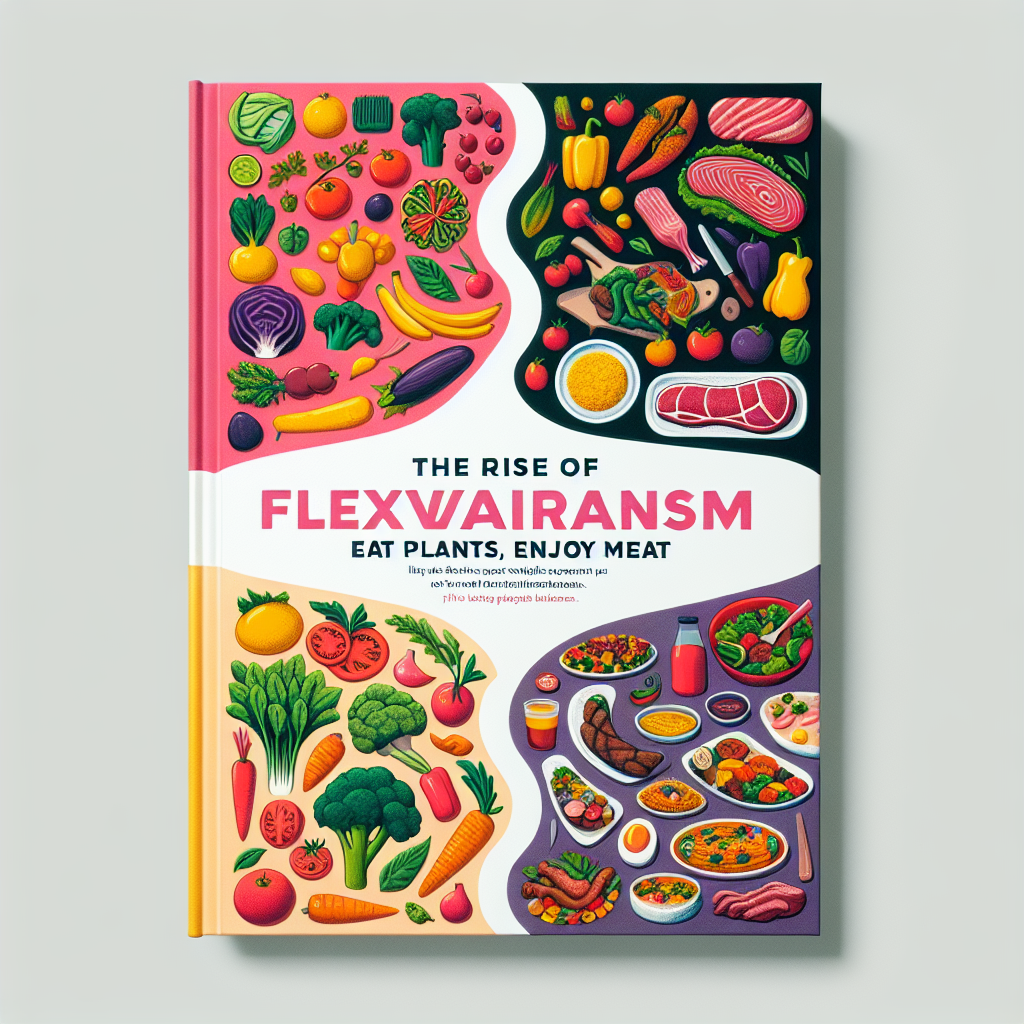
Flexitarianism is a dietary approach that emphasizes plant-based foods while allowing for occasional meat consumption. This flexibility appeals to many individuals who want to reduce their meat intake without completely giving it up. Recent trends demonstrate a significant shift towards this eating pattern, with 40% of Americans identifying as flexitarians as of 2023, indicating a growing awareness of health, environmental, and ethical implications associated with food choices.
2. Health Benefits of a Flexitarian Diet
One of the most compelling reasons to adopt a flexitarian diet is the numerous health benefits it provides. Studies show that eating a plant-heavy diet can lower the risk of chronic diseases. For example, a research review published in 2022 found that individuals who followed a flexitarian diet had an 18% lower risk of developing heart disease compared to those with a standard Western diet. Additionally, incorporating more fruits, vegetables, whole grains, and legumes can help in weight management, with research indicating that flexitarians typically consume 300 fewer calories per day than their meat-centric counterparts.
3. Environmental Impact
The flexitarian diet also presents significant advantages for sustainability. The production of plant-based foods generally results in lower greenhouse gas emissions compared to meat production. According to a study by the Food and Agriculture Organization, livestock farming contributes approximately 14.5% of global greenhouse gas emissions. A flexitarian approach, by reducing meat consumption, can play a crucial role in mitigating climate change. If everyone adopted a flexitarian diet, it could reduce carbon emissions equivalent to taking 90 million cars off the road.
4. Ethical Considerations
In recent years, ethical concerns around animal welfare have driven many people to reconsider their meat consumption. Flexitarianism allows individuals to enjoy meat while being conscious about how and where it is sourced. By choosing to consume higher welfare meat options or support local farmers, flexitarians can address some of the ethical concerns often associated with meat production. Polls indicate that over 60% of people are now more concerned about animal welfare than they were five years ago, highlighting the importance of ethical considerations in modern diets.
5. Variety and Satisfaction
One of the main appeals of a flexitarian approach is the variety it offers. The flexibility of combining both plant-based and meat options allows for a diverse menu that caters to different tastes and preferences. Research shows that individuals who eat a varied diet are more likely to be satisfied with their food choices, leading to better long-term adherence and enjoyment of their meals. A balanced plate featuring hearty legumes, vibrant vegetables, and lean proteins can keep meals exciting while still being nutritious.
6. Economic Benefits
Adopting a flexitarian diet is also a cost-effective way to eat healthier. Meat tends to be one of the most expensive grocery items, and reducing meat consumption can lead to significant savings. Flexitarians can cut costs by increasing their reliance on less expensive sources of protein, such as beans, lentils, and grains. A 2023 survey revealed that families who adopted a flexitarian lifestyle saved an average of $500 annually on groceries, allowing them to invest that money elsewhere.
7. Challenges of Transitioning
Despite its benefits, transitioning to a flexitarian diet may present challenges. Some individuals might find it difficult to reduce their meat intake, especially if traditional meals heavily feature it. Education and meal planning can play an essential role in overcoming these obstacles. Cooking classes, online resources, and meal prep guides can help individuals learn how to create delicious plant-based meals without feeling deprived. Additionally, integrating gradual changes—such as “Meatless Mondays”—can make the transition smoother and more sustainable.
8. Recipes for Flexitarians
There are endless possibilities when it comes to flexitarian recipes. Some popular choices include chickpea curry, quinoa-stuffed bell peppers, and vegetable stir-fries with lean chicken. Incorporating seasonal, locally-sourced vegetables and experimenting with new cooking techniques can enhance flavors and textures while keeping meals fresh and engaging. Sharing recipes on digital platforms or in community settings can further inspire others to join this movement.
9. Conclusion
The rise of flexitarianism reflects a significant shift in consumer attitudes towards food. With its combination of health benefits, environmental impact, ethical awareness, and the joy of diverse eating options, this dietary approach offers a practical solution for individuals looking to lead a balanced lifestyle. As more people recognize the importance of a flexible diet, the impact of flexitarianism will likely continue to grow, transforming not only personal health but also improving our planet’s well-being. Embracing a flexitarian lifestyle is about finding balance; it’s about enjoying the best of both worlds—eating plants and enjoying meat responsibly and thoughtfully.



Post Comment