Discover Rajasthan’s Hidden Gems: Beyond the Famous Forts
1. Introduction to Rajasthan’s Hidden Treasures
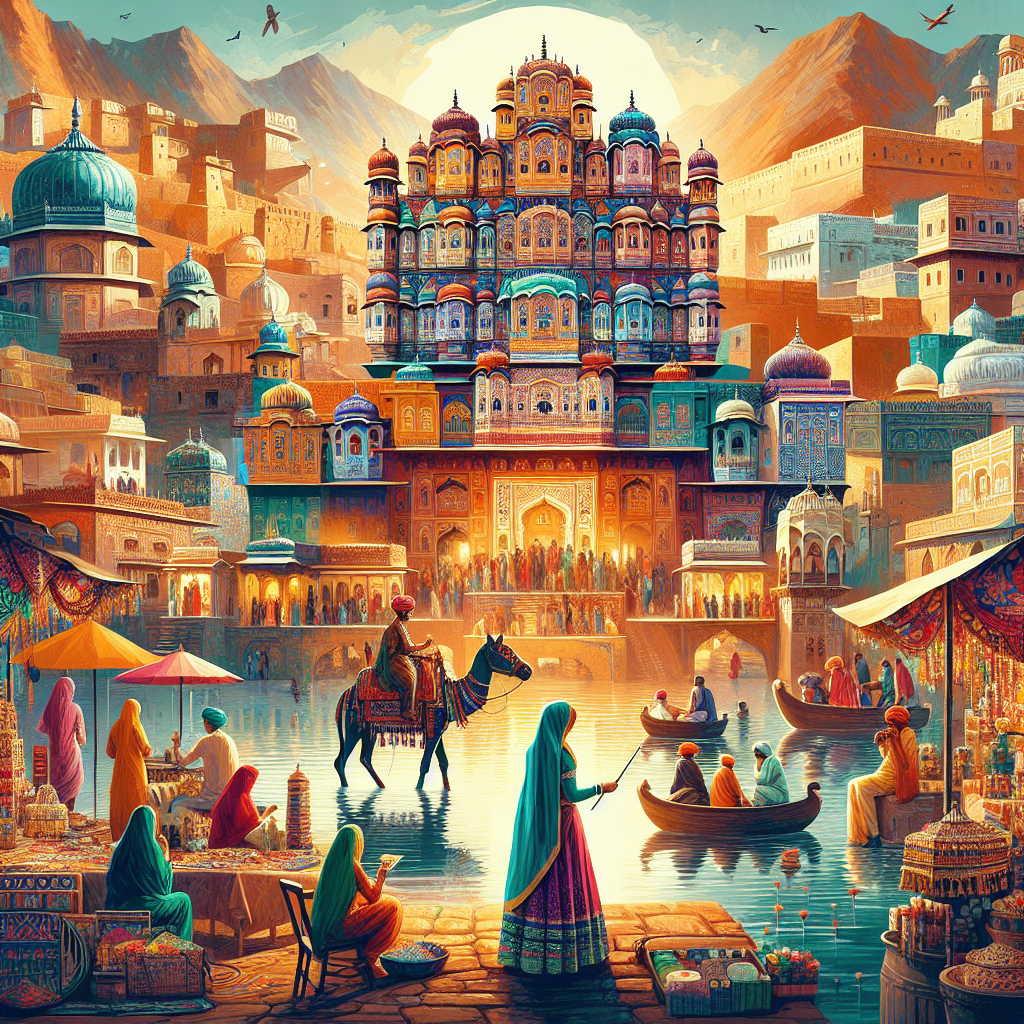
Rajasthan, often celebrated for its magnificent forts and palaces, offers a myriad of lesser-known attractions that embody the state’s rich culture and heritage. While cities like Jaipur, Udaipur, and Jodhpur pull in tourists by the droves, the quieter corners of Rajasthan are equally compelling, providing a deeper understanding of the state’s history and traditions. In this blog, we’ll take you on a journey to discover some of these hidden gems in Rajasthan.
2. The Enigmatic Village of Kuldhara
Located approximately 18 kilometers from Jaisalmer, Kuldhara is a deserted village famous for its haunting beauty and folklore. Once inhabited by prosperous Paliwal Brahmins, the village was abandoned overnight in the early 19th century, with a legend stating that the villagers left to escape oppressive taxes imposed by a greedy local ruler. Today, visitors can explore the remnants of the village, which feature beautifully constructed havelis, temples, and wells. Kuldhara serves as a powerful reminder of resilience and offers stunning sunsets against the backdrop of the Thar Desert.
3. The Colorful Street of Nawalgarh
A lesser-known yet vibrant town in the Shekhawati region, Nawalgarh is often overlooked despite its stunning fresco-laden havelis. Known as the “open-air art gallery,” the town is dotted with elaborate murals that depict mythological stories and daily life from the 18th and 19th centuries. Statistically, Nawalgarh boasts around 50 havelis adorned with frescoes, making it a worthwhile destination for art enthusiasts and history buffs. Visitors can spend hours wandering through the town’s narrow lanes, admiring the intricate artistry that narrates tales of bygone eras.
4. The Historical Significance of Osian
Often referred to as the “Khajuraho of Rajasthan,” Osian is an ancient town that dates back to the 6th century. Located around 65 kilometers from Jodhpur, this small town is home to a collection of stunning temples that showcase Hindu and Jain architecture. Osian’s most famous temples include the Sachiya Mata Temple and the Surya Temple, both exemplifying exquisite craftsmanship. Recent archaeological efforts have credited Osian with revealing a wealth of history, highlighting its significance in the ancient trade routes of the region.
5. The Quaint Charm of Chittorgarh’s Local Markets
While Chittorgarh is famous for its formidable fort, the surrounding local markets present a different side of Rajasthan’s culture. Spend a day meandering through the vibrant bazaars, where local artisans sell handmade textiles, pottery, and jewelry. Statistics show that handicrafts account for approximately 20% of Rajasthan’s exports, underscoring the importance of these markets to the local economy. Engaging with artisans offers visitors a unique perspective on Rajasthan’s rich craft heritage, and the markets provide an excellent opportunity to purchase one-of-a-kind souvenirs.
6. The Serene Shores of Bassi Wildlife Sanctuary
Nestled just 25 kilometers from Chittorgarh, the Bassi Wildlife Sanctuary is a hidden gem for nature lovers and wildlife enthusiasts. Established in 1988, the sanctuary is home to a variety of wildlife, including chital (spotted deer), wild boar, and leopards. Covering an area of around 15,000 acres, Bassi offers ample opportunities for bird-watching, with over 100 species recorded in the area. The sanctuary’s lush forests and tranquil surroundings allow visitors to disconnect from the hustle of major tourist spots and immerse themselves in Rajasthan’s natural beauty.
7. The Spiritual Retreat of Niemra
For those seeking tranquility and rejuvenation, Niemra, a small village located in the Ajmer district, offers a peaceful escape. The village is home to the revered holy site of Pushkar, featuring the famed Brahma Temple and the Pushkar Lake, which attracts pilgrims from all over India. What sets Niemra apart is its less commercialized atmosphere, allowing for a more authentic experience. Visitors can participate in local rituals, enjoy traditional vegetarian cuisine, and explore the surrounding rural landscape. Statistics reveal that Pushkar sees over 200,000 visitors annually, yet Niemra remains a tranquil haven away from the crowds.
8. The Unique Artistry of Bagru
Approximately 30 kilometers from Jaipur, the village of Bagru is renowned for its traditional block printing techniques, which have been passed down through generations. This vibrant art form involves hand-carving intricate designs onto wooden blocks, which are then stamped onto fabric. Bagru’s artisans produce high-quality textiles, often using natural dyes that are environmentally friendly. Engaging with these artisans provides visitors with hands-on experiences, revealing the creativity and dedication behind each piece. According to recent data, Bagru’s textile industry contributes significantly to the local economy, supporting numerous families in the region.
9. Conclusion: Embrace the Unseen Rajasthan
Rajasthan is much more than its majestic forts and palatial estates. The state is filled with hidden gems that encapsulate its diverse culture, rich history, and artistic heritage. Exploring these lesser-known destinations not only enriches the travel experience but also supports local communities and preserves traditional practices. From the deserted lanes of Kuldhara to the serene shores of Bassi Wildlife Sanctuary, each location offers a unique story waiting to be discovered. So venture off the beaten path, embrace the unseen Rajasthan, and create memories that will last a lifetime.

Post Comment