Discover the Magic of Rajasthan’s Forts and Palaces
1. Introduction to Rajasthan’s Enchantment
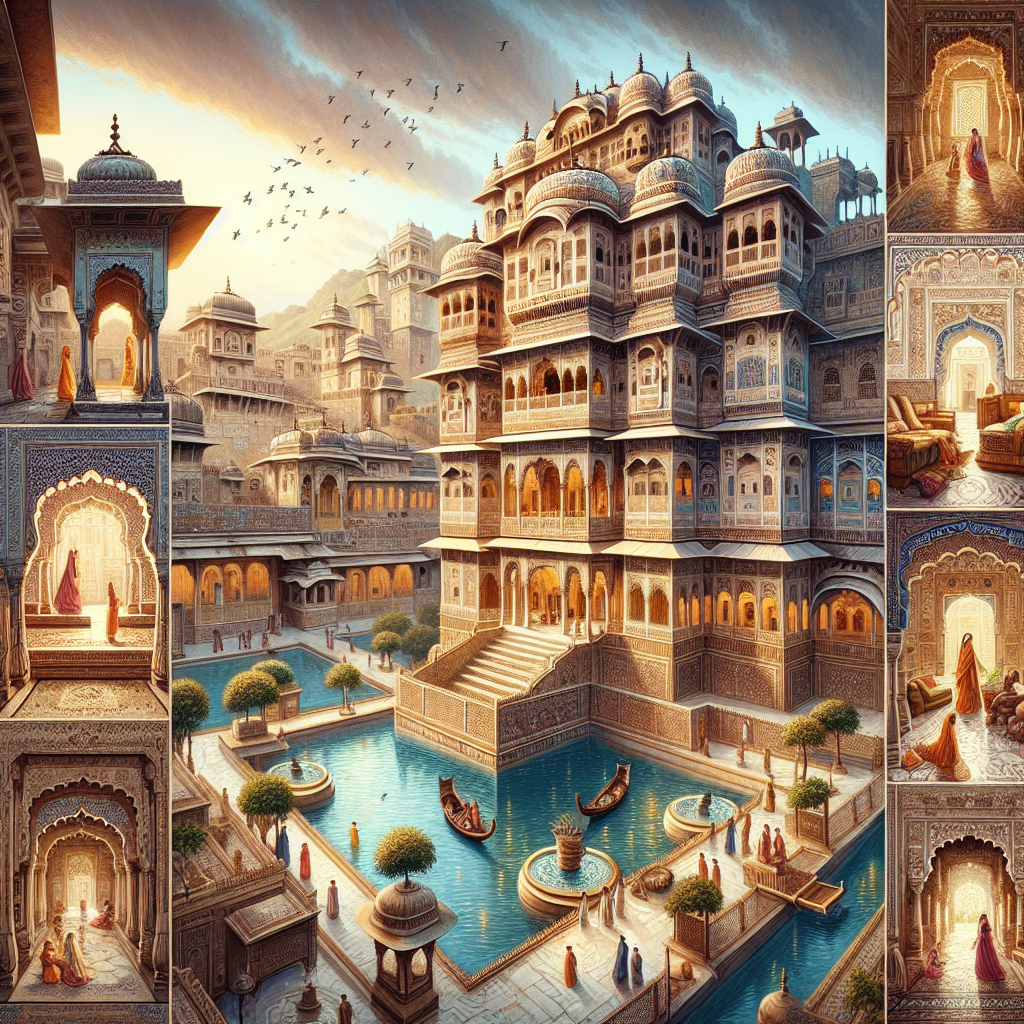
Rajasthan, known as the Land of Kings, is renowned for its majestic forts and palaces that exemplify the rich history and architectural prowess of India. From the bustling streets of Jaipur to the serene landscapes of Udaipur, each fort and palace tells a story of valor, romance, and the opulent lifestyle of the royal families. With over 200 forts in the state, visitors are sure to be captivated by the grandeur and artistry that defines Rajasthan.
2. Historical Significance of the Architecture
Rajasthan’s forts and palaces date back to the time of the Rajput kings who ruled the region from the 7th century onwards. These structures were not merely residences but were strategically built for defense against invasions, showcasing the ingenuity of their creators. The architectural styles in Rajasthan reflect influences from multiple cultures, including Mughal, Gothic, and even European styles, making them a unique tapestry of India’s historical narrative. A staggering 85% of the forts have remained intact, a testament to their robust construction and enduring beauty.
3. The Majestic Amer Fort
Located just outside Jaipur, Amer Fort, also known as Amer Palace, is a stunning example of Rajput architecture. Built in the 16th century by Raja Man Singh I, it features intricate mirror work, beautiful frescoes, and stunning tile designs. The fort sprawls over a rugged hillside, offering panoramic views of the surrounding landscape. Amer Fort is part of the UNESCO World Heritage Site known as the “Hill Forts of Rajasthan,” which attracts approximately 1.5 million visitors annually.
4. The Opulence of City Palace
The City Palace in Jaipur represents the royal heritage of the Kachhwaha dynasty and is an architectural marvel that combines Mughal and Rajput aesthetics. Completed in the 20th century, the palace complex houses several courtyards, gardens, and museums that preserve the royal artifacts. It attracts over 1 million visitors each year, providing a vivid glimpse into the lives of Rajasthan’s erstwhile rulers. Notably, the palace’s architecture features intricate peacock motifs and stunning stained glass, reflecting the artistic talent of the era.
5. The Romantic Charm of Udaipur’s City Palace
Udaipur’s City Palace, set against the backdrop of Lake Pichola, is another jewel in Rajasthan’s crown. Built incrementally between the 16th and 20th centuries, it showcases a blend of Rajasthani and Mughal architecture. The palace complex is adorned with stunning courtyards, palatial structures, and spectacular views of the lake and city. It remains a popular choice for couples, drawing over 500,000 visitors annually who seek to experience its romantic charm and picturesque sunsets.
6. The Forts of Jaisalmer: The Golden City
Jaisalmer, known as the Golden City, boasts the stunning Jaisalmer Fort, built in 1156 by Rawal Jaisal. The fort is unique as it is a living fort, with shops, hotels, and residences inside its walls. Made from yellow sandstone, it appears golden, especially at sunset, attracting thousands of tourists. Jaisalmer Fort is part of the UNESCO World Heritage List and receives around 1 million visitors each year. Its narrow lanes and traditional architecture provide a sense of stepping back in time.
7. The Resilience of Mehrangarh Fort
Situated in Jodhpur, Mehrangarh Fort is one of the largest forts in India, intricately designed and constructed on a hill 410 feet above the city. Built in 1459 by Rao Jodhaji, this fort is notable for its towering walls and ornate palaces. It houses a museum with artifacts, showcasing the rich heritage of the Marwar region. With approximately 400,000 visitors each year, the fort’s resilience and architectural grandeur continue to mesmerize tourists from around the globe.
8. The Art of Intricate Designs and Inscriptions
One of the most captivating features of Rajasthan’s forts and palaces is the intricate craftsmanship found throughout. Artists employed techniques such as chhatris (elevated dome-shaped pavilions), jaalis (latticed stone screens), and fresco paintings depicting historical events, animals, and divine figures. For example, the Hawa Mahal in Jaipur, with its 953 windows, allows princesses to observe the outside world while maintaining privacy. The combination of art, architecture, and history in each structure creates a magical aura that enchants every visitor.
9. Cultural Festivals and Events
Rajasthan’s forts and palaces serve as backdrops to many vibrant cultural festivals throughout the year. The Pushkar Camel Fair, held near the Pushkar Fort, attracts thousands of tourists and traders. The Jaipur Literature Festival, often hosted at the City Palace, brings together authors, thinkers, and artists, bridging the gap between heritage and modernity. Engaging in such events allows visitors to experience the historical significance of these sites while participating in traditional festivities.
10. Conclusion: A Journey Through Time
Rajasthan’s forts and palaces are far more than mere stones; they embody a rich tapestry of history, culture, and artistry. With their astonishing architecture and captivating stories, they invite visitors to embark on a journey through time. As you explore these magnificent structures, you’ll not only witness the grandeur of the past but also appreciate the enduring spirit of Rajasthan that continues to inspire and enchant countless travelers each year. The state remains a must-visit for anyone seeking to experience the magic of India’s royal heritage.
Post Comment