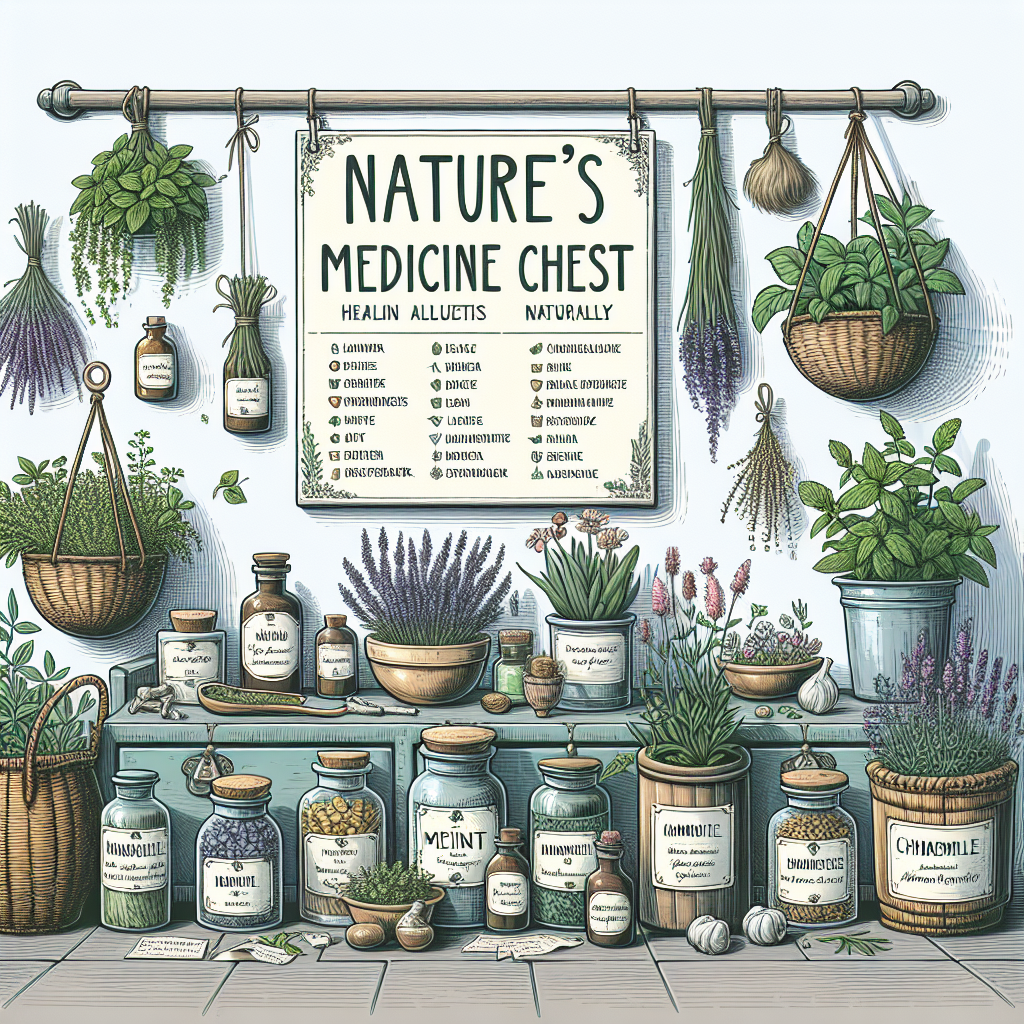
Herbal Remedies: Nature’s Medicine Chest at Home
1. Introduction to Herbal Remedies
In a world increasingly leaning toward natural modalities for health and wellness, herbal remedies remind us that nature has always been a powerful ally. With over 80,000 plant species known to possess medicinal properties, the potential of herbal remedies is vast. This blog explores common herbs you can easily incorporate into your daily routine to address common ailments naturally.
2. Aloe Vera: The Healing Plant
Aloe Vera is renowned for its soothing qualities, particularly in treating burns and skin irritations. Its gel contains polysaccharides, which promote healing and provide anti-inflammatory benefits. A study published in 2018 indicated that Aloe Vera can reduce wound healing time by up to 9 days, making it an essential addition to any home medical kit. Simply apply fresh gel directly from the leaf for topical use or consume Aloe juice for digestive issues.
3. Chamomile: The Calming Herb
Known for its calming effects, Chamomile is an excellent herbal remedy for anxiety and sleep disorders. The flowers can be brewed into a tea, which studies show can improve sleep quality by up to 50% in individuals with insomnia. Chamomile also has anti-inflammatory properties, making it useful for digestive issues and calming irritated skin externally.
4. Peppermint: The Digestive Aid
Peppermint, with its refreshing aroma, is another potent herb for everyday ailments. Its active ingredient, menthol, has been shown to alleviate irritable bowel syndrome (IBS) symptoms in about 75% of patients according to research. Drinking peppermint tea or inhaling its essential oil can soothe headaches and tension, providing a natural remedy that many may already have at home.
5. Ginger: The Anti-Nausea Wonder
Ginger is a well-researched herb known for its effectiveness in reducing nausea, whether from morning sickness, motion sickness, or even chemotherapy. Studies have indicated that ginger can reduce nausea by up to 38% in some cases. Its anti-inflammatory properties also aid digestion and ease stomach discomfort. A simple ginger tea or adding fresh ginger to meals can provide significant health benefits.
6. Turmeric: The Golden Spice
Turmeric, often hailed as a superfood, has gained attention for its active compound, curcumin, which is known for its potent anti-inflammatory effects. Research indicates that curcumin can significantly improve markers of inflammation and is being investigated for its role in reducing the risk of chronic diseases such as heart disease and cancer. Incorporating turmeric into your diet can easily be done through cooking, teas, or supplements.
7. Echinacea: The Immune Booster
Echinacea is commonly used to strengthen the immune system and reduce the duration of colds and flu. Studies suggest that Echinacea can decrease the risk of developing respiratory infections by up to 58% when taken at the onset of symptoms. Echinacea tea or supplements can be a beneficial addition during cold and flu season, providing a natural way to bolster your body’s defenses.
8. Garlic: The Heart-Health Herb
Garlic isn’t just a flavorful addition to meals; it’s a well-known remedy for heart health. Research shows that regular garlic consumption can lower blood pressure by about 8-10% in hypertensive individuals. Moreover, garlic is attributed to reducing cholesterol levels and improving overall heart health, making it a powerful herb to include in your diet for cardiovascular wellness.
9. Lavender: The Stress Reliever
Lavender’s calming scent is not just pleasant but also therapeutic. This herb has been shown to reduce anxiety levels and promote relaxation effectively. A study revealed that aromatherapy with lavender can improve sleep quality by 60% and help individuals manage stress more effectively. Incorporating lavender essential oil into your skincare routine or using it in a diffuser can enhance your environment’s tranquility.
10. Conclusion: Nature’s Medicine Chest
Embracing herbal remedies as part of your home medicine chest can provide natural solutions for everyday ailments. While these herbs offer powerful benefits, it’s essential to remember that they are most effective when used as complementary therapies alongside standard medical treatment. As always, consulting with a healthcare professional before beginning any new health regimen is prudent, especially for those who are pregnant or have existing health conditions. By exploring the healing potential of these common herbs, you are taking proactive steps toward a healthier, balanced life embraced by nature’s bounty.


Post Comment