Nourishing Your Gut: Foods to Support Digestive Health
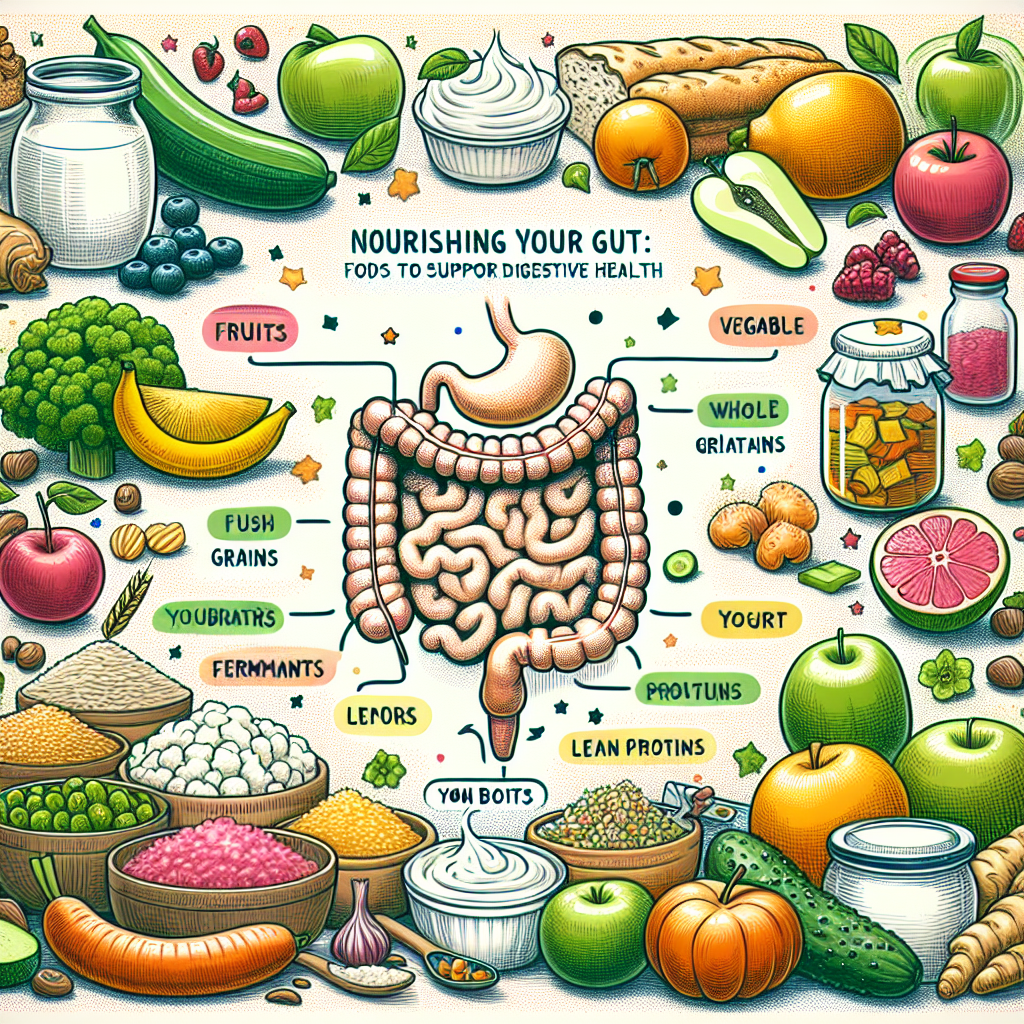
1. Understanding Gut Health
Gut health is a crucial aspect of overall well-being. It affects not only digestion but also immune function, mental health, and even skin health. A well-balanced gut microbiome—a complex community of trillions of microorganisms living in your digestive tract—plays a pivotal role in maintaining health. Research has shown that a diverse and balanced gut microbiome can improve bowel regularity, reduce inflammation, and enhance nutrient absorption.
2. The Importance of a Fiber-Rich Diet
Dietary fiber is essential for a healthy gut. It acts as a prebiotic, providing food for beneficial gut bacteria. According to the Dietary Guidelines for Americans, adults should consume between 25 to 30 grams of fiber per day. Despite this, studies indicate that most Americans only meet about 15 grams—far below the recommended intake. Foods high in fiber include fruits, vegetables, whole grains, and legumes. Incorporating these into your daily meals can lead to better digestion and a healthier gut.
3. Probiotic Foods: A Boost for Gut Bacteria
Probiotics are live microorganisms that offer health benefits when consumed. They help to replenish the good bacteria in your gut, contributing to a balanced microbiome. Fermented foods are rich sources of probiotics. Common examples include yogurt, kefir, sauerkraut, kimchi, and kombucha. A study published in the Journal of Dairy Science found that people who regularly consumed probiotics experienced fewer gastrointestinal issues, such as bloating and constipation.
4. Prebiotics: The Unsung Heroes
Prebiotics are non-digestible fibers that feed and support the growth of beneficial bacteria in the gut. Foods high in prebiotics include garlic, onions, asparagus, bananas, and oats. A 2020 study published in the journal Nutrients found that increased prebiotic intake is linked to improved digestive health and may even enhance mood and cognitive function. Aim to include these foods in your diet to foster a thriving microbiome.
5. Omega-3 Fatty Acids: Anti-Inflammatory Powerhouses
Studies suggest that omega-3 fatty acids can help reduce inflammation in the gut, which is beneficial for conditions such as irritable bowel syndrome (IBS) and inflammatory bowel disease (IBD). Sources of omega-3s include fatty fish like salmon, walnuts, chia seeds, and flaxseeds. According to the American Heart Association, consuming fish at least twice a week improves heart and gut health significantly.
6. Hydration Matters
Staying hydrated is often overlooked when considering gut health. Adequate water intake helps to dissolve fats and soluble fiber, allowing these substances to pass through the digestive tract more easily. The Institute of Medicine recommends that men consume about 3.7 liters of total fluids and women about 2.7 liters. Including beverages like herbal teas can enhance hydration while also providing additional antioxidants.
7. Limiting Processed Foods and Added Sugars
Processed foods and those high in added sugars can disrupt the balance of your gut microbiome. A study published in Nature in 2019 found that a diet rich in sugar and fat significantly alters gut bacteria, contributing to obesity, type 2 diabetes, and other metabolic disorders. Avoiding or minimizing highly processed foods, such as sugary snacks, sodas, and refined grains, can lead to better digestive health.
8. The Role of Polyphenols
Polyphenols are compounds found in fruits, vegetables, tea, coffee, red wine, and chocolate that can benefit gut health. These antioxidants encourage the growth of beneficial gut bacteria and can reduce the risk of chronic diseases. A report in the Journal of Nutritional Biochemistry indicates that diets rich in polyphenols can lower the levels of harmful bacteria while promoting good bacteria. Try to incorporate a variety of colorful fruits and vegetables to increase your polyphenol intake.
9. Mindful Eating Practices
Mindful eating practices can significantly affect gut health. This practice involves paying attention to the process of eating and recognizing hunger and satiety cues. It is shown to improve digestion and reduce gastrointestinal discomfort. According to a study in the Journal of Nutrition, individuals who practiced mindful eating reported fewer digestive complaints and improved gut function. Try to eat slowly, savor your food, and minimize distractions during meals to enhance your overall digestive experience.
10. The Impact of Stress on Gut Health
Stress can have a detrimental impact on gut health through a variety of mechanisms, including altered gut motility and changes in gut microbiota composition. Research indicates that chronic stress is linked to conditions like IBS and other gastrointestinal disorders. Incorporating stress-reducing practices such as yoga, meditation, or deep-breathing exercises into your routine can positively influence gut health. The Anxiety and Depression Association of America suggests that these practices help to improve mental well-being and reduce stress-related digestive issues.
11. Conclusion: A Holistic Approach
Nourishing your gut requires a holistic approach that combines a well-rounded diet rich in fiber, probiotics, and prebiotics while minimizing processed foods and managing stress. Incorporating a variety of foods known for their digestive health benefits can ensure that your gut biome thrives. Remember that what works for one person may not work for another, so it’s essential to listen to your body and adjust your diet accordingly. With these strategies in mind, a happier gut is within your reach.



Post Comment