The Nutritional Power of Quinoa: A Complete Protein Source
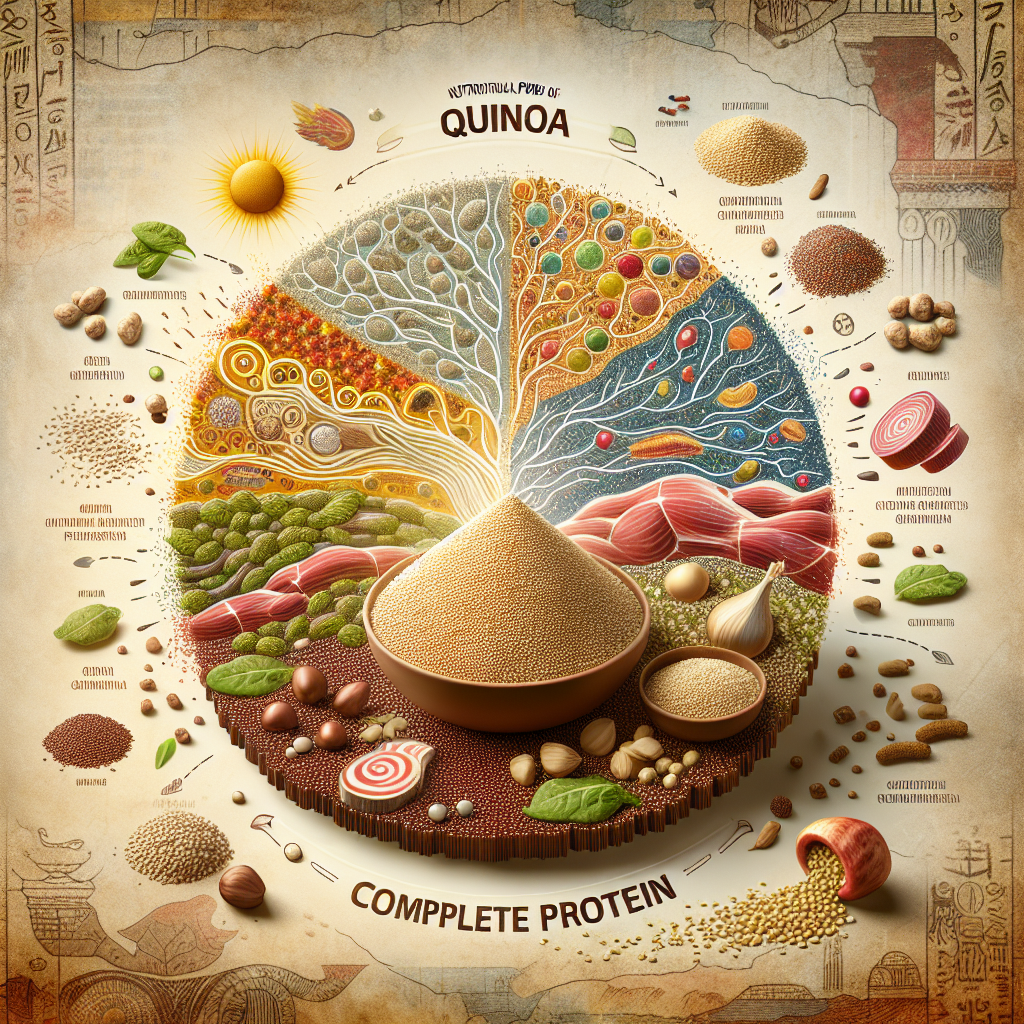
1. Introduction to Quinoa
Quinoa, often referred to as a superfood, is an ancient grain that has gained immense popularity in the modern health-conscious community. Originally cultivated in the Andean region of South America, quinoa has been hailed not just for its versatility and taste but also for its impressive nutritional profile. As more people become aware of the importance of incorporating nutrient-dense foods into their diets, quinoa stands out as a top choice.
2. What Makes Quinoa a Complete Protein?
One of the most significant attributes of quinoa is that it is classified as a complete protein. This means it contains all nine essential amino acids that the human body cannot synthesize. Most plant-based proteins lack one or more of these essential amino acids, which is why quinoa is particularly valuable to vegetarians and vegans. A 1-cup (185 grams) serving of cooked quinoa contains approximately 8 grams of protein, making it an excellent choice to support muscle repair, hormonal balance, and overall bodily function.
3. The Nutritional Breakdown of Quinoa
In addition to being a complete protein, quinoa possesses an impressive array of nutrients. A single cup of cooked quinoa provides the following:
– Calories: 222
– Protein: 8 grams
– Fiber: 5 grams
– Carbohydrates: 39 grams
– Fat: 4 grams
– Iron: 15% of the Recommended Daily Allowance (RDA)
– Magnesium: 30% of the RDA
– Phosphorus: 28% of the RDA
– Manganese: 58% of the RDA
These numbers illustrate how quinoa serves as a nutrient-dense food, making it an excellent addition to a balanced diet. The high fiber content promotes digestive health and can lead to increased feelings of fullness, which may support weight management.
4. Quinoa’s Role in Weight Management
Quinoa can play a beneficial role in weight management, owing to its high fiber and protein content. According to research published in the American Journal of Clinical Nutrition, high protein foods can increase satiety and lead to reduced calorie intake throughout the day. Furthermore, the complex carbohydrates in quinoa provide a steady energy release, minimizing blood sugar spikes and crashes. As a result, individuals may find it easier to maintain their weight or even lose weight when quinoa is included in their regular meals.
5. Health Benefits Beyond Protein
The benefits of quinoa extend far beyond its protein content. Research has indicated that quinoa is rich in antioxidants, which help combat oxidative stress and inflammation in the body. It contains flavonoids such as quercetin and kaempferol, known for their anti-inflammatory and anti-viral properties. Furthermore, quinoa is gluten-free, making it an excellent option for those with celiac disease or gluten sensitivity.
6. Cooking and Incorporating Quinoa
Quinoa is incredibly versatile in the kitchen, allowing for countless culinary applications. This is particularly worth noting for individuals looking to diversify their diets. To cook quinoa, rinse it thoroughly to remove its natural coating, called saponin, which can impart a bitter taste. Combine one part quinoa to two parts water (or broth for added flavor) and bring it to a boil, then reduce heat and simmer for about 15 minutes.
Quinoa can be used in salads, soups, side dishes, or even as a breakfast grain. Mixed with vegetables, nuts, and seeds, it can offer a nutrient-dense meal or snack. Moreover, the addition of spices and herbs can turn quinoa into an exciting dish that appeals to varied palates.
7. Environmental Sustainability of Quinoa
Aside from its nutritional benefits, quinoa is also recognized for its environmental sustainability. As a hardy crop, it can grow in diverse climatic conditions, making it resilient to climate change. It requires fewer inputs than many other grains and lends itself to less intensive farming methods, which can be beneficial for sustainability in agriculture. However, it is essential to source quinoa ethically, as rising global demand has sometimes resulted in price increases that affect local communities in the Andes.
8. Guidelines for Including Quinoa in Your Diet
When incorporating quinoa into your diet, it’s crucial to consider portion sizes. While it’s nutrient-dense, moderation is key to maintaining balanced meals. Typically, a serving size of cooked quinoa is around 1 cup. Pair it with vegetables, healthy fats, and various proteins to create a well-rounded meal.
To reap the maximum benefits, look for organic quinoa, which is usually free from chemical fertilizers and pesticides. Store dry quinoa in an airtight container in a cool, dark place to prolong its shelf life.
9. Conclusion: A Must-Have for Your Pantry
Quinoa’s status as a nutritional powerhouse cannot be overstated. Its complete protein profile, array of essential nutrients, health benefits, and versatility in cooking make it a valuable staple in any diet. Whether you are seeking to increase your protein intake, manage your weight, or simply enjoy the taste of a unique grain, quinoa deserves a prime spot in your pantry. Given the right cooking techniques and creative recipes, this ancient grain can become not only a healthy choice but also a delicious element in your meal planning.



Post Comment