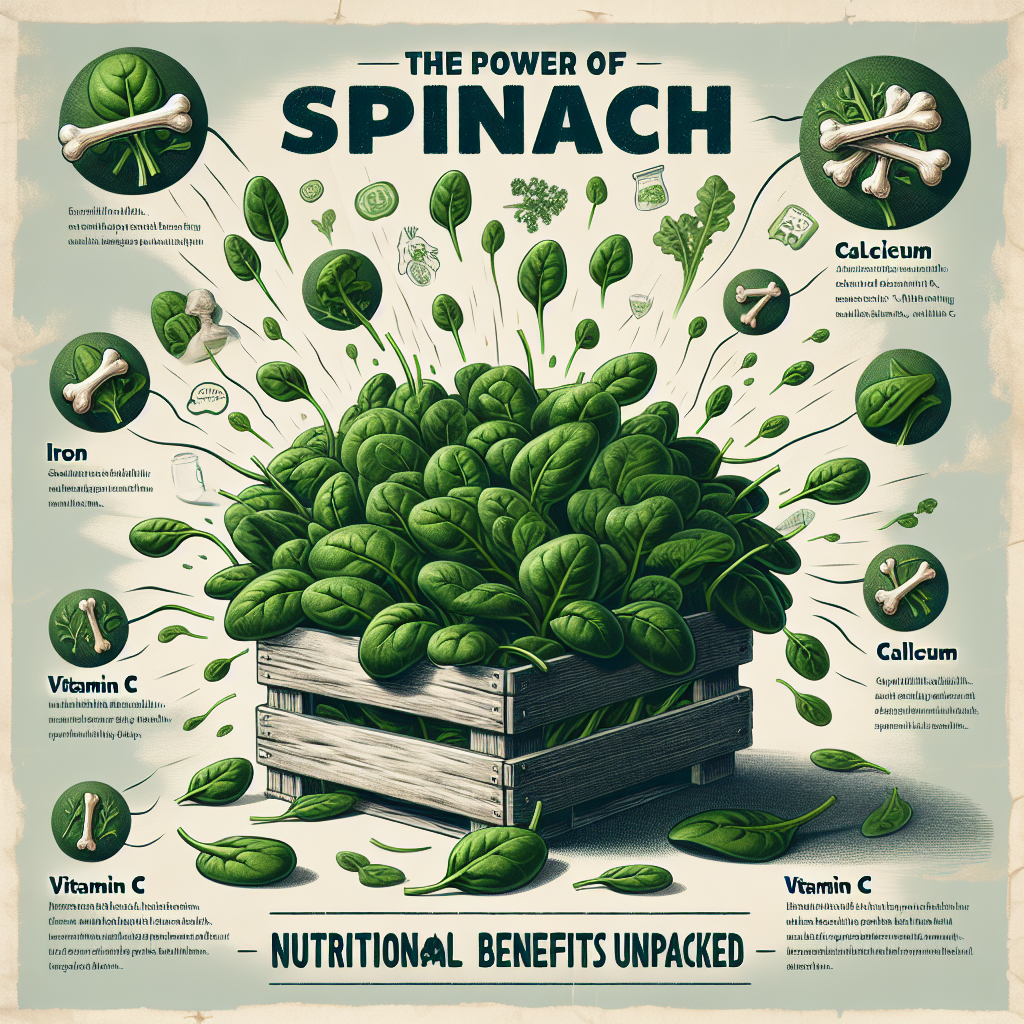
The Power of Spinach: Nutritional Benefits Unpacked
1. Introduction to Spinach
Spinach, scientifically known as Spinacia oleracea, is a leafy green vegetable that has gained immense popularity as a superfood. This versatile green is not only a staple in salads but also plays a crucial role in various cuisines worldwide. Packed with vitamins, minerals, and other beneficial compounds, spinach offers a wealth of nutritional benefits that can enhance overall health and well-being.
2. Low in Calories, High in Nutrients
One of the standout features of spinach is its low caloric content combined with its rich nutrient profile. A one-cup serving of raw spinach (approximately 30 grams) contains only 7 calories yet offers significant amounts of nutrients, including:
– Vitamin A: 2813 IU (56% of the Daily Value)
– Vitamin K: 145 mcg (181% of the Daily Value)
– Folate: 58 mcg (15% of the Daily Value)
– Iron: 0.81 mg (5% of the Daily Value)
The high nutrient density in spinach makes it an ideal food choice for those looking to maintain or lose weight while still receiving essential nutrients.
3. Rich in Antioxidants
Spinach is loaded with antioxidants, substances that help combat oxidative stress in the body. Some prominent antioxidants in spinach include:
– Lutein and Zeaxanthin: These carotenoids are linked to eye health and may reduce the risk of macular degeneration.
– Quercetin: This antioxidant is known for its anti-inflammatory properties and potential role in reducing the risk of chronic diseases.
Studies show that diets high in antioxidant-rich foods can lower the risk of heart disease and certain cancers. In fact, a diet high in fruits and vegetables, including spinach, is associated with a 16% lower risk of heart disease, according to research from the American Heart Association.
4. Promotes Bone Health
The high vitamin K content in spinach plays a pivotal role in bone health. Vitamin K is essential for the synthesis of osteocalcin, a protein that helps bind calcium in the bones, thus improving bone strength and density. One serving of spinach provides over 180% of the recommended daily intake of vitamin K. In a study published in the Journal of Bone and Mineral Research, higher dietary vitamin K intake was associated with increased bone mineral density, reducing the risk of fractures.
5. Supports Heart Health
The cardiovascular benefits of spinach cannot be overlooked. Spinach is rich in nitrates, which help in reducing blood pressure, a significant risk factor for heart disease. Research published in the journal Hypertension indicates that dietary nitrates can effectively lower blood pressure in both healthy individuals and those with hypertension. Furthermore, the antioxidants in spinach can combat inflammation and oxidation, further protecting against heart disease.
6. Aids Digestion
Spinach is an excellent source of dietary fiber, which is crucial for digestive health. A single cup of raw spinach contains about 0.7 grams of fiber, while cooked spinach offers even more. Fiber aids in promoting regular bowel movements, preventing constipation, and creating a healthy gut microbiome. According to the Dietary Guidelines for Americans, adults should consume 25 to 30 grams of fiber each day; incorporating spinach into your diet can help meet these recommendations.
7. Enhances Skin and Hair Health
The vitamins and antioxidants in spinach contribute significantly to healthy skin and hair. Vitamin A supports skin cell production, and vitamin C is vital for collagen formation, a protein that helps maintain skin elasticity. Carotenoids in spinach can protect the skin from UV damage, which is crucial in preventing premature aging. Including spinach in your diet can lead to healthier skin and hair, as supported by various dermatological studies.
8. Combats Anemia
Spinach is an excellent source of non-heme iron, which is essential for the production of hemoglobin and myoglobin, proteins that carry oxygen in the blood. Although the body absorbs non-heme iron less efficiently than heme iron (found in animal products), pairing spinach with vitamin C-rich foods can significantly enhance absorption. A study published in The American Journal of Clinical Nutrition reveals that combining iron-rich plant foods with vitamin C sources can improve non-heme iron absorption by as much as 300%.
9. Versatility in the Kitchen
Not only is spinach packed with health benefits, but it is also incredibly versatile in culinary applications. From salads and smoothies to soups and stir-fries, spinach can be easily incorporated into your meals. Cooking spinach can also enhance its nutrient availability, particularly for certain carotenoids. For instance, cooked spinach contains higher levels of lutein and zeaxanthin compared to raw.
10. Conclusion
The power of spinach as a superfood is supported by its impressive array of nutrients and health benefits, from improving heart health to promoting healthy skin. Its low-calorie content combined with high nutritional value makes it an excellent choice for anyone looking to enhance their diet. With so many easy and delicious ways to include spinach in meals, there’s no reason not to make this leafy green a regular part of your health regimen. Ultimately, making spinach a staple in your diet can lead to improved health outcomes and an overall better quality of life.


Post Comment