The Rise of 5G: What It Means for Daily Internet Use
1. Introduction to 5G Technology
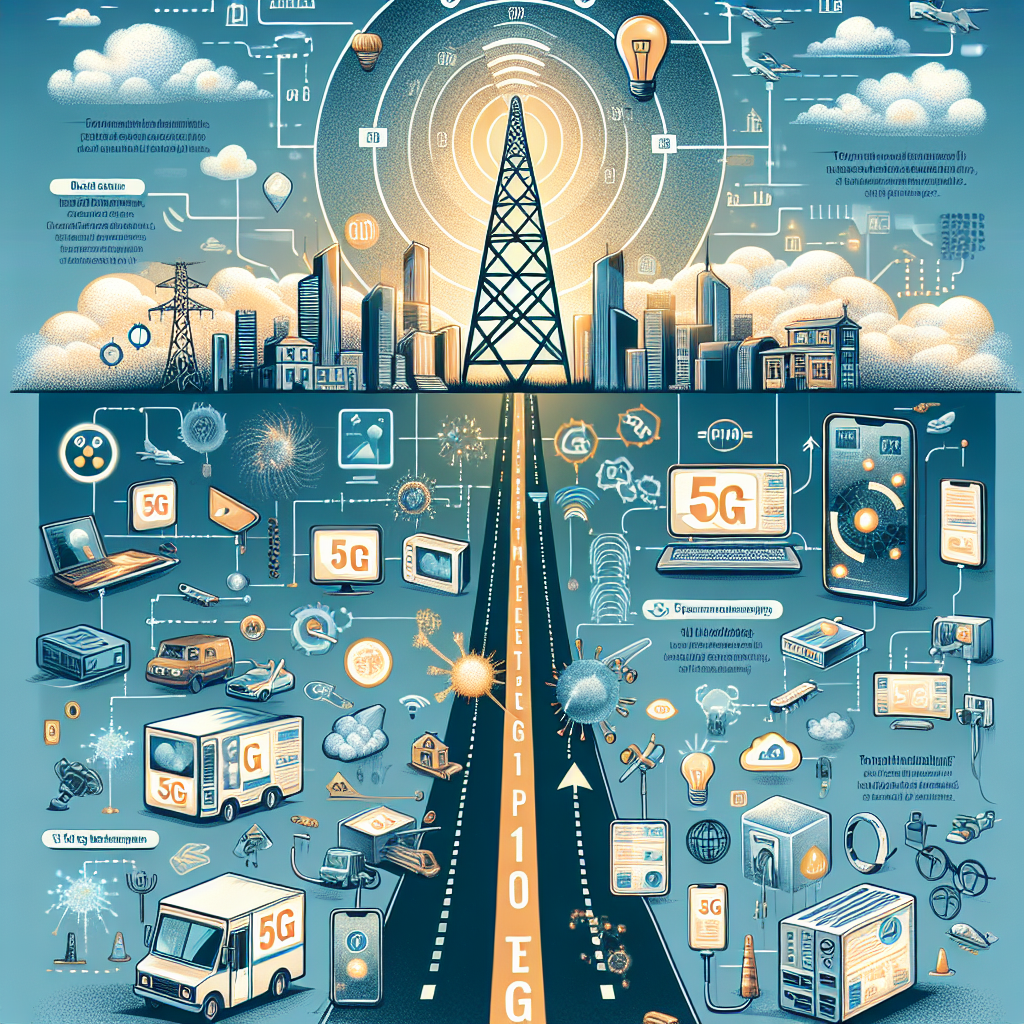
The fifth generation of mobile network technology, known as 5G, is set to revolutionize how we connect to the internet. Launched in various parts of the world starting in 2019, 5G offers unprecedented speed, remarkably low latency, and the ability to connect more devices simultaneously. According to the Global Mobile Suppliers Association, by 2023, there are projected to be over 1.5 billion 5G connections worldwide. This growth signifies a substantial shift from previous generations of mobile technology, like 4G and 3G.
2. Speed and Bandwidth Improvements
One of the most apparent advantages of 5G is its superior speed. While 4G networks offer maximum download speeds of about 100 Mbps, 5G is theoretically capable of speeds up to 10 Gbps—100 times faster than 4G. In practical terms, this means that downloading a high-definition movie could take less than a minute with 5G, whereas it might take several minutes with 4G. This exponential increase in speed allows for seamless streaming, rapid content uploads, and an overall more efficient online experience.
3. Enhanced Connectivity
5G technology supports a significantly higher number of devices per square kilometer compared to its predecessors. 4G can efficiently handle about 2,000 connected devices per square kilometer, while 5G can manage over 1 million devices within the same area. This capability is crucial in today’s increasingly connected environment, where the Internet of Things (IoT) is becoming a household standard—think smart appliances, connected cars, and more. As of 2023, IoT devices in use globally are expected to reach 30 billion, further necessitating enhanced connectivity provided by 5G networks.
4. Low Latency for Real-Time Applications
Latency, or the time it takes for data to travel from one point to another, is critical in applications that require real-time interactions, such as online gaming, virtual reality, and autonomous vehicles. 5G technology boasts latency as low as 1 millisecond, compared to around 50 milliseconds for 4G. This reduction opens up a world of possibilities; for instance, remote surgery could become more feasible, as surgeons can operate machines in real-time with little to no delay.
5. Boosting Remote Work and Education
In the post-pandemic world, remote work and online education have become standard practices. With the enhanced speed and connectivity that 5G offers, individuals working or studying from home can enjoy a more reliable and efficient internet experience. Video conferencing applications, file sharing, and collaboration platforms will function more smoothly, reducing frustration and increasing productivity. Reports indicate that 61% of remote workers find internet connectivity as essential to their work efficiency, making 5G a significant enabler in this new work paradigm.
6. Transforming Entertainment Consumption
The way we consume media is evolving with the advent of 5G technology. Streaming services can deliver higher-quality content—such as 4K and even 8K video—without the buffering or delays commonly experienced with slower networks. A 2021 survey showed that 74% of consumers were willing to pay more for a faster internet connection to stream content in better quality. This transformation leads to new market opportunities for content creators and service providers, as they can offer enhanced viewing experiences that attract subscribers.
7. Smart Cities and Infrastructure
5G technology is paving the way for the development of smart cities. Enhanced connectivity can optimize traffic flow using data from connected vehicles, reduce energy consumption through smart grids, and improve public service efficiency via real-time data analysis. A report from the McKinsey Global Institute predicts that smart city technologies could create value of up to $2 trillion annually by 2025. These advancements contribute to a more sustainable and efficient urban environment, fundamentally changing how residents interact with their cities.
8. Challenges and Considerations
Despite its remarkable advantages, the rollout of 5G is not without challenges. Infrastructure investment plays a significant role, as upgrading to 5G requires substantial expenditures from telecommunications companies. Additionally, concerns about network coverage gaps in rural areas remain significant; about 30% of rural Americans do not have access to adequate broadband services. Regulatory hurdles, health concerns related to electromagnetic radiation, and data security issues are other factors that need to be addressed as 5G becomes more ubiquitous.
9. Conclusion: The Future of Internet Use
The rise of 5G technology promises to significantly alter the landscape of internet connectivity. With its superior speed, enhanced reliability, and capacity to support a broad range of applications, 5G is set to redefine how individuals live, work, and interact with technology. From transforming remote experiences and entertainment to enabling smart cities, the implications of 5G reach far beyond simple connectivity, offering a glimpse into a highly interconnected future. As we move deeper into this era, both the challenges and opportunities presented by 5G will play crucial roles in shaping society’s digital landscape.


Post Comment