The Rise of AI: Revolutionizing Our Daily Lives

1. Introduction to AI in Daily Life
Artificial Intelligence (AI) has rapidly evolved from a futuristic concept to a tangible presence in our daily routines. According to a report by McKinsey, AI adoption has accelerated significantly over the past few years, with 50% of organizations reporting the use of AI in at least one business function by 2022. This article explores how AI has become an integral part of our everyday tasks, transforming how we interact with technology, manage our time, and make decisions.
2. AI in Communication
Communication has seen substantial enhancements through AI technologies. Tools like chatbots and virtual assistants use natural language processing (NLP) to facilitate smoother interactions. Research indicates that companies employing AI-powered chatbots can reduce customer support costs by up to 30%. Furthermore, AI-driven translation services, such as Google Translate, have enabled seamless communication across language barriers, with over 500 million people using the service each month.
3. AI in Personal Assistance
Virtual assistants like Amazon’s Alexa, Google Assistant, and Apple’s Siri have transformed how we manage our schedules and control smart home devices. A 2023 survey revealed that 48% of U.S. adults use voice assistants at least once a week for tasks like setting reminders, playing music, or controlling smart devices. These platforms learn from user behavior, becoming more effective over time in anticipating needs and preferences, thus enhancing efficiency in daily life.
4. AI in Health and Fitness
The healthcare industry is benefiting from AI-driven applications that assist in monitoring health and wellness. Wearables like Fitbit and Apple Watch use AI algorithms to track fitness levels and provide personalized recommendations. The global AI in healthcare market is expected to reach $194.4 billion by 2030, growing at a CAGR of 37.5%. AI tools also assist in detecting diseases early by analyzing medical images and patient data, improving outcomes and saving lives.
5. AI in Transportation and Navigation
AI technologies are reshaping transportation systems by optimizing routes and managing traffic flows. Companies like Tesla and Waymo are pioneers in self-driving technologies that utilize AI to enhance safety and efficiency. In 2022, AI-based route optimization led to a 20% decrease in traffic congestion in major metropolitan areas. Additionally, navigation apps like Google Maps or Waze leverage AI algorithms to provide real-time updates, improving commuting experiences for millions of users worldwide.
6. AI in E-Commerce
The e-commerce sector has been transformed by AI through personalized shopping experiences and predictive analytics. Over 35% of Amazon’s revenue is generated from personalized recommendations powered by AI algorithms. These systems analyze user behavior, preferences, and past purchases to suggest products, resulting in increased customer satisfaction and higher sales conversions. Furthermore, AI chatbots facilitate customer interactions, making the shopping experience smoother and more efficient.
7. AI in Financial Services
AI is making waves in the financial services sector by enhancing risk assessment and fraud detection. According to a report by Accenture, AI could save the banking industry up to $1 trillion annually by improving operational efficiencies and security. Machine learning algorithms are employed by banks to identify suspicious activities and transaction patterns, leading to quicker responses to potential fraud. Additionally, chatbots are transforming customer service in banking, providing users with instant assistance and improving engagement.
8. AI in Education
Education is undergoing a transformation through the application of AI technologies. Adaptive learning platforms use AI to analyze student performance and tailor educational content accordingly, enabling personalized learning experiences. A study by HolonIQ shows that the global EdTech market, which includes AI applications, could exceed $404 billion by 2025. Furthermore, AI tools aid educators in administrative tasks, allowing them to focus more on teaching and student engagement.
9. The Ethical Implications of AI
As AI becomes more intertwined with our daily lives, ethical considerations must be addressed. Issues such as data privacy, algorithmic bias, and job displacement due to automation are critical concerns. A recent survey from Pew Research Center found that 74% of Americans believe AI will lead to significant job loss. Companies must prioritize transparency and responsible AI usage to mitigate these concerns, fostering trust among users.
10. Future Prospects of AI in Daily Life
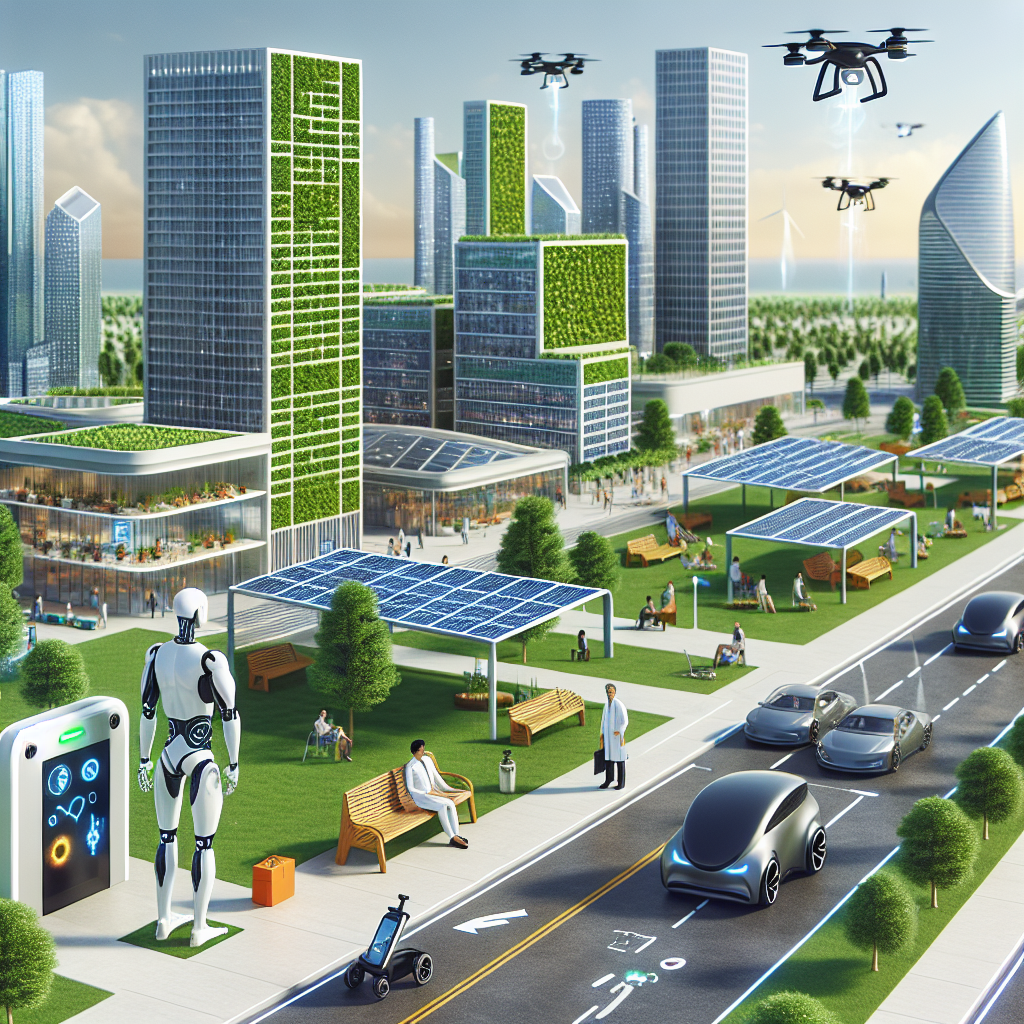
The future of AI in our daily lives looks promising as technology continues to advance. Experts predict that by 2030, AI could contribute an additional $15.7 trillion to the global economy. Beyond personal assistance and business operations, innovations such as AI-driven smart cities, enhanced virtual reality experiences, and breakthroughs in human-computer interaction could further integrate AI into our lives.
11. Conclusion
As AI continues to revolutionize various sectors, it is imperative for individuals and organizations to embrace these technologies responsibly. By leveraging AI’s capabilities to enhance productivity, improve decision-making, and enrich our daily experiences, we can unlock significant potential across all aspects of our lives. Engaging with AI while being mindful of its ethical implications will ensure a balanced and beneficial integration into our future.

Post Comment