“Top 10 Foods for a Happy Gut Health
1. Introduction to Gut Health
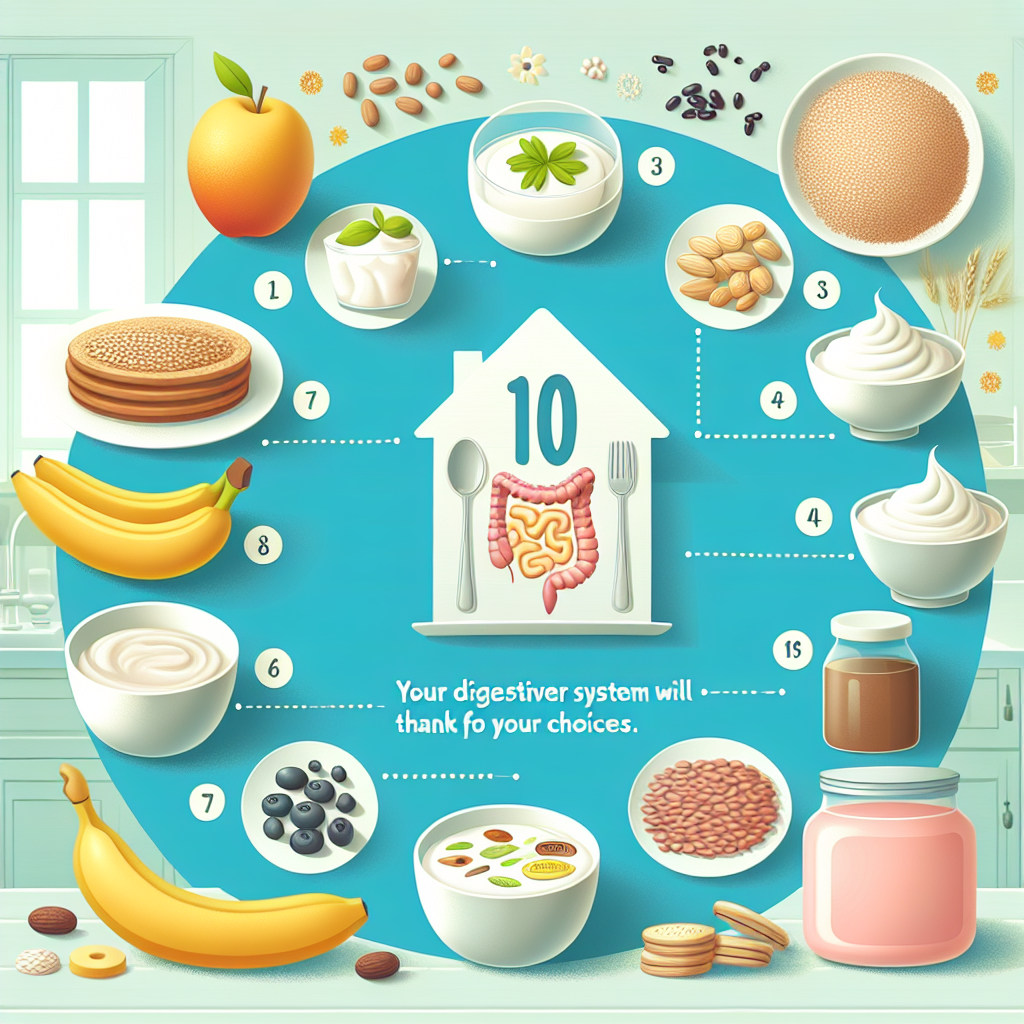
Gut health plays a crucial role in overall well-being, influencing not just digestion but also mental health, immune function, and chronic disease prevention. With approximately 70% of the immune system located in the gut, nurturing this vital organ system is essential. The foods you consume can significantly affect the balance of beneficial bacteria versus harmful organisms in the gastrointestinal tract. This article explores the top ten foods that can contribute to a happy gut.
2. Yogurt
Yogurt is often hailed as a superfood for gut health. Rich in probiotics, which are live bacteria beneficial for digestion, yogurt can help maintain a healthy microbial balance in the gut. According to research, consuming yogurt regularly can improve the gut microbiota and may reduce the risk of gastrointestinal disorders. A 2018 study found that regular yogurt consumption is linked to a 14% lower risk of inflammatory bowel disease, making it an excellent addition to your diet.
3. Fermented Foods
Fermented foods, such as kimchi, sauerkraut, kefir, and kombucha, are abundant in probiotics. These foods undergo a natural fermentation process that enriches them with healthy bacteria. Studies have shown that including fermented foods in your diet can improve the diversity of gut bacteria, which is vital for digestive health. A 2019 survey found that participants who consumed fermented foods daily had a 25% lower risk of developing chronic diseases.
4. Fiber-Rich Foods
Fiber plays an essential role in digestive health by promoting regular bowel movements and feeding healthy gut bacteria. Foods high in fiber include fruits, vegetables, whole grains, and legumes. Statistics indicate that Americans consume only about 15 grams of fiber a day, far below the recommended 25 to 30 grams. Increasing your fiber intake can lead to beneficial changes in gut microbiota, with studies suggesting a connection between fiber consumption and a reduced risk of colon cancer.
5. Whole Grains
Whole grains, such as brown rice, quinoa, oats, and barley, are excellent sources of dietary fiber and have been linked to improved gut health. Whole grains promote the growth of beneficial bacteria in the gut and provide essential nutrients that aid digestion. A study published in the journal “Gut” found that whole grain consumption is associated with a 20% lower risk of developing diseases like type 2 diabetes, emerging from the strong ties between gut health and overall metabolic health.
6. Fruits and Vegetables
Fruits and vegetables provide essential vitamins, minerals, and antioxidants that contribute to gut health. They are also excellent sources of prebiotics, which nourish the beneficial bacteria in the gut. Foods like bananas, onions, garlic, and asparagus are particularly high in prebiotic fibers. Statistics reveal that only 10% of Americans meet the recommended intake of fruits and vegetables, highlighting a significant area for improvement in diets nationwide.
7. Nuts and Seeds
Nuts and seeds are nutrient-dense foods packed with fiber, healthy fats, and protein. Almonds, walnuts, chia seeds, and flaxseeds stand out for their benefits to gut health due to their high fiber content and the presence of Omega-3 fatty acids. Research has shown that regular nut consumption can improve gut microbiota diversity, enhancing gut health. A 2020 study indicated that people consuming two ounces of nuts daily experienced a significant increase in beneficial gut bacteria.
8. Bone Broth
Bone broth has gained popularity as a gut-healing elixir due to its rich source of collagen, amino acids, and minerals. These components can help repair the intestinal lining and support overall digestive health. Emerging evidence suggests that the glycine found in bone broth may play a role in reducing inflammation in the gut and promoting healing in gastrointestinal diseases. While specific statistics on bone broth consumption are limited, anecdotal evidence highlights its growing popularity as a health supplement.
9. Green Tea
Green tea is rich in polyphenols, particularly catechins, which have been shown to positively influence gut health. Studies suggest that these antioxidants may help promote the growth of beneficial bacteria while inhibiting harmful pathogens. According to a 2018 study published in “Microbiome,” green tea consumption was linked to increased microbial diversity, which is crucial for a healthy gut environment. Regular consumption can also aid digestion and improve metabolism.
10. Garlic and Onions
Garlic and onions are not only flavorful additions to many dishes but also powerful prebiotics that help feed healthy gut bacteria. They are rich in inulin and fructooligosaccharides, which enhance the growth of beneficial bacteria in the gut. Research has indicated that consuming garlic regularly can significantly alter gut microbiota in a beneficial way, helping to prevent gastrointestinal disorders. A 2019 study found that participants who included more garlic in their diets displayed a 20% increase in beneficial Bifidobacteria in their gut.
11. Conclusion
Incorporating these ten foods into your diet can lead to improved gut health and overall well-being. Maintaining a balanced diet rich in probiotics, prebiotics, and fiber is key to nourishing the gut microbiome. Whether it’s enjoying a cup of yogurt, snacking on almonds, or sipping green tea, these dietary choices can significantly impact your digestive health. Remember, a happy gut leads to a happier life, improving your overall happiness and health. Start making these changes today, and your digestive system will thank you!


Post Comment