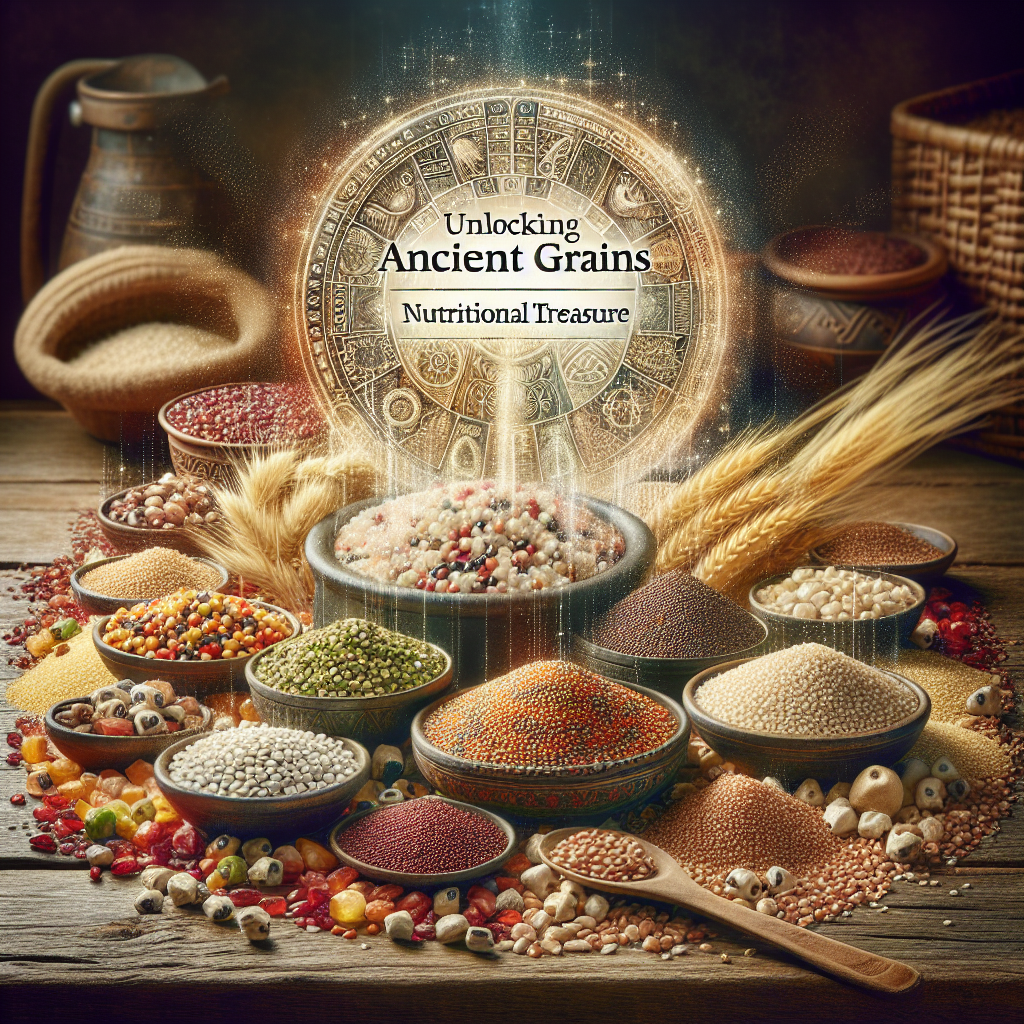
Unlocking Ancient Grains: A Nutritional Treasure
1. Introduction to Ancient Grains
Ancient grains are those that have remained largely unchanged over the last several hundred years. Unlike modern varieties, these grains have not undergone significant modifications through selective breeding. They include well-known options like quinoa, farro, spelt, and amaranth. Ancient grains are increasingly gaining popularity due to their nutritional density and versatility in modern cuisine. A shift toward healthier eating habits has piqued interest in integrating these grains into daily diets.
2. Nutritional Superstars
Ancient grains are often lauded for their impressive nutritional profiles. For instance, quinoa offers a full range of essential amino acids, making it a complete protein source. In fact, one cup of cooked quinoa contains approximately 8 grams of protein and is also rich in fiber. Similarly, spelt is higher in protein than common wheat, containing about 12-15% protein, depending on its variety. The fiber content in ancient grains can also be significantly higher than that of modern grains, with sources like farro containing near 7 grams of fiber per cooked cup.
3. Benefits of High Fiber Content
The high fiber content in ancient grains comes with a host of health benefits. Dietary fiber is crucial for promoting healthy digestion and can aid in maintaining a healthy weight. Studies suggest that increasing fiber intake can reduce the risk of developing Type 2 diabetes by up to 30%. Furthermore, fiber intake is linked to lower cholesterol levels, thereby decreasing the risk of heart disease. Incorporating ancient grains into one’s meals can be an effective way to boost fiber intake.
4. Antioxidant Powerhouses
Another significant advantage of ancient grains is their high levels of antioxidants. These compounds are vital in combating oxidative stress in the body, which has been linked to chronic diseases such as cancer and cardiovascular issues. For example, amaranth contains phenolic acids that can act as powerful antioxidants. Research has shown that including antioxidant-rich foods in one’s diet can reduce inflammation and improve overall health outcomes.
5. Gluten-Free Options
With an increasing number of individuals diagnosed with celiac disease or gluten sensitivity, the search for gluten-free grains has surged. While not all ancient grains fit this category, quinoa and amaranth are naturally gluten-free and serve as an excellent basis for a gluten-free diet. The demand for gluten-free products was approximately $4.3 billion in the U.S. in 2020 and is projected to grow further. This trend offers ample opportunities for incorporating gluten-free ancient grains into various recipes.
6. Source of Essential Nutrients
Ancient grains are packed with essential vitamins and minerals. For instance, farro is a rich source of magnesium, which is involved in over 300 biochemical reactions in the body, including energy production and muscle function. Similarly, teff contains high levels of iron. Just one cup of cooked teff provides nearly 30% of the recommended daily intake for adults. By indulging in a variety of ancient grains, individuals can ensure they receive a diverse range of essential nutrients.
7. Sustainable Agriculture
The cultivation of ancient grains has gained attention for its environmental advantages. Many ancient grain varieties are more resilient and can thrive in less than ideal growing conditions. They often require fewer resources, such as water and fertilizers, than modern grain varieties. For instance, millet, an ancient grain known for its drought resistance, is an environmentally friendly option in areas prone to aridity. As the agricultural sector shifts toward sustainable practices, ancient grains can play a critical role in promoting biodiversity and soil health.
8. Culinary Versatility
Ancient grains can be used in diverse dishes, making them a culinary treasure. They can be cooked as side dishes, incorporated into salads, used as a base for bowls, or even ground into flour for baking. The unique flavors and textures of ancient grains can enhance traditional recipes while providing added nutritional benefits. Products made from ancient grain flours, such as bread and pasta, are also becoming increasingly common, appealing to health-conscious consumers.
9. Conclusion: Embrace Ancient Grains
Incorporating ancient grains into your diet can offer numerous health benefits, from increased fiber and nutrient intake to antioxidant benefits. With the ability to support both personal health and sustainable agricultural practices, embracing these grains holds promise for today’s increasingly health-conscious and environmentally aware society. By exploring various types of ancient grains and their culinary applications, individuals can unlock a treasure of nutrition while enjoying diverse and flavorful meals.
In summary, the resurgence of ancient grains is not merely a trend but a step toward healthier eating that honors the wisdom of our ancestors. Embrace these nutritional powerhouses and find ways to incorporate them into your meals for optimal health benefits.
Post Comment