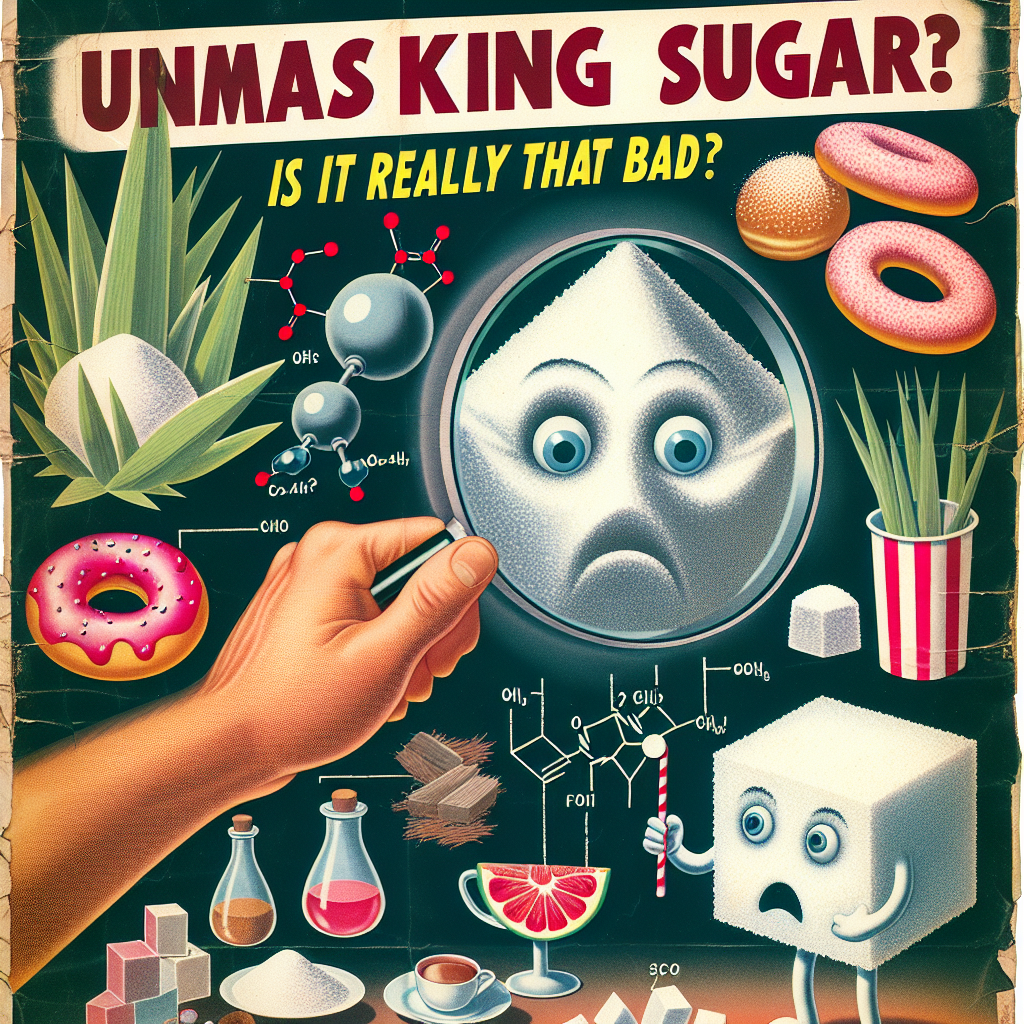
Unmasking Sugar: Is It Really That Bad? Discover the truth
1. Introduction to Sugar Crisis
In recent years, sugar has become a controversial ingredient in our diets. Studies reveal that the average American consumes over 150 pounds of sugar per year, leading to discussions about its potential health risks. As we unmask sugar, it’s essential to understand its implications on health, behavior, and daily energy levels.
2. Types of Sugar: Natural vs. Added
Sugar exists in two forms: natural and added. Natural sugars are found in whole foods like fruits and dairy products, while added sugars are incorporated during processing, such as in soft drinks, candy, and baked goods. The American Heart Association advises limiting added sugars to no more than 9 teaspoons per day for men and 6 teaspoons for women. This distinction is crucial, as natural sugars come with fiber, vitamins, and minerals that support health.
3. The Role of Fructose and Glucose
When we consume sugar, it breaks down into two main components: fructose and glucose. Glucose enters the bloodstream quickly, providing energy to cells, while fructose is metabolized primarily by the liver. Excessive consumption of fructose can lead to fat accumulation, insulin resistance, and, eventually, metabolic syndrome. Research indicates that high fructose intake can increase the risk of obesity and related diseases; for instance, the prevalence of obesity has more than doubled globally since 1975, largely attributed to sugar consumption.
4. The Health Risks Associated with Sugar
Numerous studies have documented the health risks tied to high sugar consumption. A systematic review found a strong correlation between sugar-sweetened beverages and obesity in children and adults. Additionally, sugar has been linked to a higher risk of type 2 diabetes due to its role in insulin resistance. A study published in the journal Diabetes Care highlighted that frequent sugar intake increases the likelihood of developing type 2 diabetes, suggesting a 27% higher risk with every additional sugary drink consumed per day.
5. Sugar and Heart Health
Sugar’s implications extend to cardiovascular health as well. Research has shown a significant connection between high sugar diets and increased levels of triglycerides and LDL cholesterol—key indicators of heart disease. The American Journal of Clinical Nutrition reported that reducing added sugar intake can decrease blood pressure, leading to better heart health. A diet high in sugar may contribute to up to 300,000 deaths annually in the United States alone, revealing a serious public health concern that cannot be ignored.
6. The Psychological Impact of Sugar
Sugar doesn’t just affect our physical health; it also has psychological effects. Consuming high amounts of sugar can lead to mood swings and heightened anxiety. In fact, a study conducted by the University of California found that participants who drastically reduced their sugar intake experienced improved mood and lower anxiety levels. The cycles of sugar spikes and crashes can amplify feelings of stress, making it essential to maintain a balanced diet to support mental well-being.
7. Examining Sugar Alternatives
As awareness of sugar’s downsides grows, so does the market for sugar alternatives. Products like stevia, erythritol, and monk fruit have gained popularity as substitutes due to their lower calorie content and lesser impact on blood sugar levels. Data from Grand View Research indicates that the global sugar substitutes market was valued at nearly $8 billion in 2021, with expectations to grow at a compound annual growth rate of roughly 5% through 2028. While these alternatives may offer benefits, moderation remains critical.
8. The Importance of Moderation
The consensus among health professionals is that sugar isn’t entirely ‘bad’ when consumed in moderation. The key lies in balancing sugar intake within a diverse diet rich in whole foods. Natural sugars from fruits and vegetables provide essential nutrients that processed sugars lack. The World Health Organization emphasizes that sugar should not exceed 10% of total daily caloric intake, ideally aiming for closer to 5% for optimal health.
9. Making Informed Choices
In today’s world, with many food products laden with hidden sugars, making informed choices is integral to maintaining a healthy lifestyle. Reading nutrition labels is essential; for example, a single serving of syrup can contain up to 14 grams of added sugar. By prioritizing whole foods and limiting processed items, individuals can significantly reduce their sugar intake and its associated health risks.
10. Conclusion: The Path Forward
The conversation around sugar is complex, presenting both health challenges and opportunities for healthier choices. By understanding the different types of sugar and their effects on health, we can strive for a balanced approach to consumption. Exercise, a diet rich in whole foods, and limiting added sugars can lead to improved health outcomes. As we continue to decipher the implications of sugar on our lives, knowledge remains the first step toward progress and well-being.


Post Comment