Vedic New Year:The Real Changes in Earth, Sun, and Seasons
1. Introduction to Vedic New Year
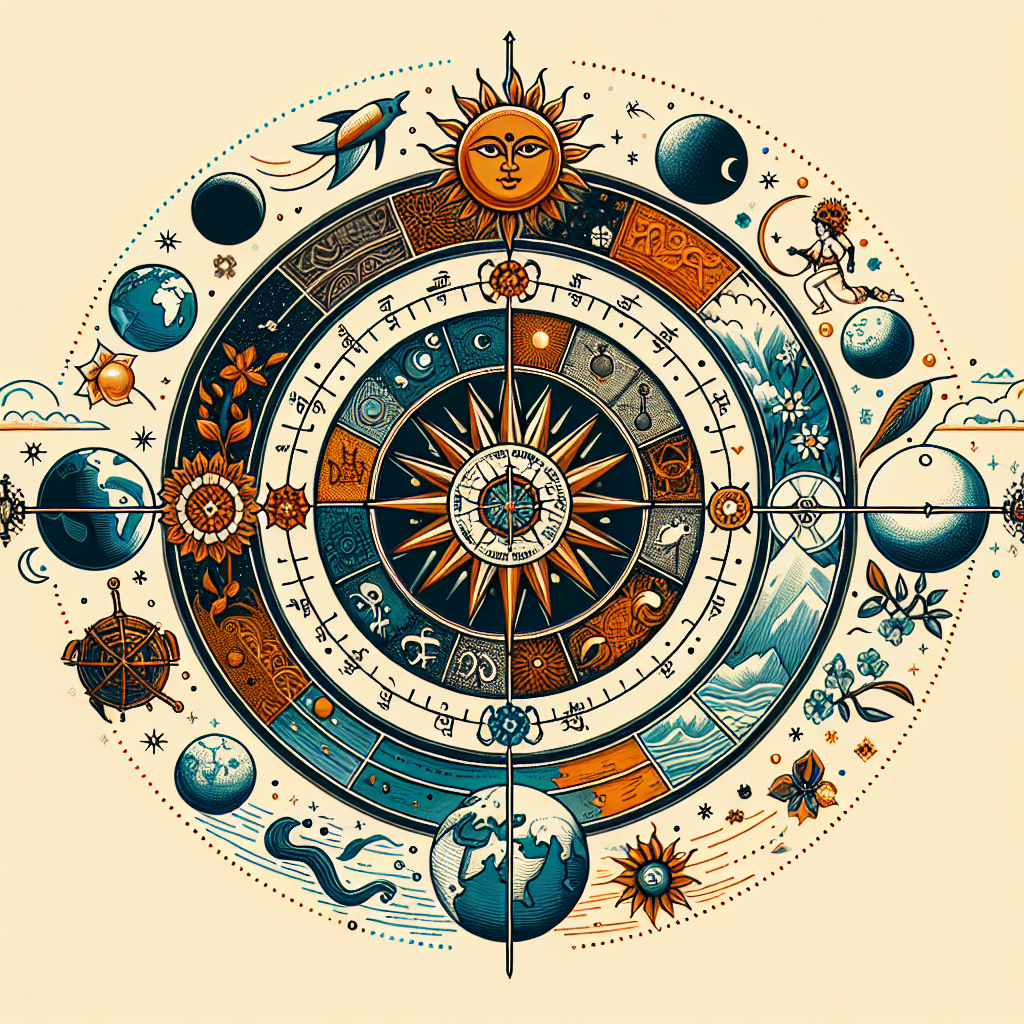
The Vedic New Year, known as “Vikram Samvat,” is celebrated in various Indian cultures and reflects not just a calendar date but also a deep-rooted connection with cosmic cycles. This ancient system is aligned with various astronomical events, making it an important occasion for understanding the interplay between celestial bodies and earthly seasons. As we explore the Vedic New Year, it becomes essential to recognize the significant changes in Earth, Sun, and seasons that shape our environment and culture.
2. Understanding the Vedic Calendar
The Vedic calendar is primarily lunisolar, based on both lunar and solar cycles. The year typically comprises 12 lunar months, which are adjusted with intercalary months or “Adhik Maas” to stay aligned with the solar year. As a result, the Vedic New Year usually falls between March and April, coinciding with the arrival of spring. The Vedic calendar is significant as it emphasizes the connection between time, agriculture, and spirituality.
3. The Earth’s Position in the Solar System
The position of Earth in relation to the Sun significantly impacts climate and seasons on our planet. During the Vedic New Year, Earth is nearing the equinox, a time when day and night are of nearly equal length. This transition heralds the start of spring in the Northern Hemisphere. The tilt of Earth’s axis, approximately 23.5 degrees, plays a crucial role in this transition. As the Earth orbits the Sun, different parts of the planet receive varying amounts of sunlight, leading to seasonal changes.
4. Sun’s Influence on Seasonal Changes
The Sun is the ultimate source of energy for planet Earth. At the time of the Vedic New Year, sunlight increases in intensity and duration, a phenomenon directly related to the tilt of the Earth’s axis. This shift triggers the warming temperatures that signify the onset of spring. Studies suggest that the increase in solar radiation during these months can be as much as 20-30% compared to winter months, significantly affecting agricultural cycles and natural ecosystems.
5. The Significance of the Vernal Equinox
The Vernal Equinox, occurring around March 20 or 21, marks a pivotal point in the calendar. During this time, solar energy is equally distributed across the hemispheres, which plays a crucial role in agricultural practices. Traditionally in India, the onset of the Vedic New Year coincides with harvest festivals, celebrating the bounty of crops that thrive in spring. The equinox is not only a scientific event but has also been infused with cultural significance, representing rebirth and renewal.
6. Temperature Trends During Vedic New Year
Statistical data indicates that temperatures worldwide experience a marked increase as spring approaches. For example, average temperatures in many parts of India rise by about 8°C – 15°C between February and April. This temperature rise affects natural ecosystems and agricultural productivity. Farmers prepare to sow their seeds, aligning their activities with the celestial cycles observed in Vedic traditions.
7. Cultural Practices Around the Vedic New Year
Various cultural practices and rituals around the Vedic New Year reflect the interconnectedness of agriculture, nature, and spirituality. Common traditions include rituals dedicated to deities representing wealth and abundance, such as Goddess Lakshmi. Additionally, people participate in community fairs known as “Mela,” showcasing local produce and crafts. This cultural celebration not only honors nature’s bounty but also reinforces social bonds within communities.
8. Environmental Considerations
While embracing the changes brought about by the Vedic New Year, it is crucial to reflect on our environmental responsibilities. Rapid climate changes due to human activities have disrupted traditional seasonal patterns. Research conducted by scientists indicates that many regions are now experiencing unpredictable weather, affecting crop yields and ecosystems. During the Vedic New Year celebrations, it is an opportune moment to promote sustainable practices, emphasizing a balance between human needs and ecological preservation.
9. Conclusion: Embracing Cosmic Rhythms
The Vedic New Year serves as a reminder of the profound interconnection between Earth, Sun, and our seasonal cycles. As we celebrate this ancient tradition, it is essential to foster greater awareness of how these cosmic rhythms impact our lives. By aligning our activities and mindset with the natural cycles, we not only honor our cultural heritage but also contribute to a sustainable future where humanity coexists harmoniously with nature.
10. Final Thoughts: The Future of Vedic Traditions
As we move forward, it is vital to adapt the teachings of the Vedic New Year to address contemporary challenges. Incorporating modern science with ancient wisdom can provide valuable insights into sustainable living strategies. Moreover, by nurturing an understanding of cosmic cycles, we can inspire future generations to appreciate the beauty and significance of our connection to the universe, ultimately fostering a more conscious and responsible society.
In summary, the Vedic New Year is not only a cultural celebration but also a reminder of the ongoing relationship between humanity and the cosmos. Embracing these changes with reverence will undoubtedly enrich our lives and strengthen our commitment to the environment.


Post Comment